Liberian women call for accelerated actions to end gender based violence in Liberia
March 8, 2025
DMJ and markers of social inclusion.
May 1, 2025Improving the Quality of Rice Production for Women under the LDS, CLAP Project
Source: Lutheran Development Service (LDS)
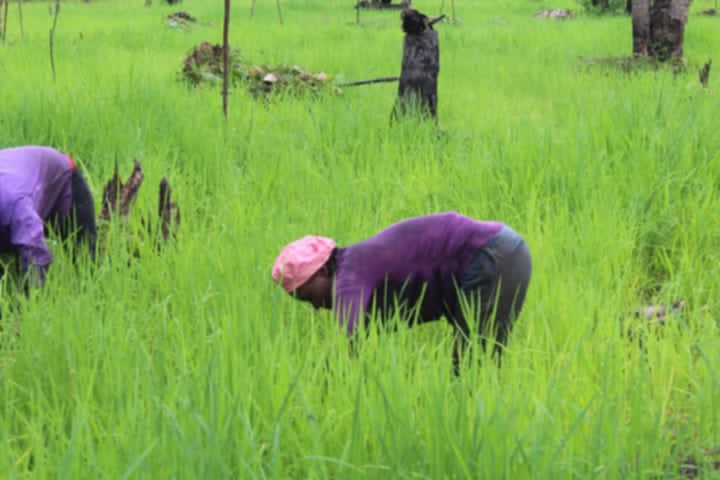
Women farmers in Lofa and Bong Counties, under the Community Livelihood Assistance Program of the Lutheran Development Service, with support from Bread for the World, are now using a modern rice mill system to improve the quality of rice production.
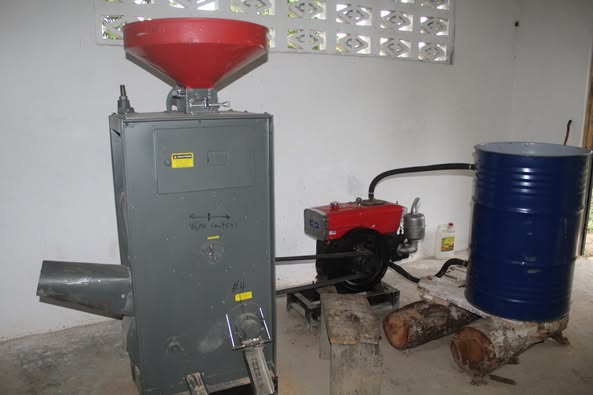
Rice is the staple food in Liberia, and for decades, the manual processing of rice has been labor-intensive and time-consuming, particularly for women. These women bear the primary responsibility for post-harvest processing. Introducing rice mills has brought transformative benefits for women in Lofa and Bong Counties.
The rice mill construction under the LDS Community Livelihood Assistance Project is more than just an agricultural improvement. It is a catalyst for social and economic transformation. The project is helping to build stronger, more resilient communities in Lofa and Bong Counties by easing the labor burden, increasing incomes, and empowering women. Investing in women through such initiatives not only uplifts families but also accelerates the path to sustainable rural development.
Key Benefits of the Rice Mill to Women Farmers
• Reduction of Labor Burden – Women farmers traditionally spend long hours threshing, winnowing, and pounding rice manually. With rice mills, this workload is now reduced, allowing women farmers in Salayea and Sanoyea to save time and physical energy.
• Improved Rice Quality and Market Value – Mechanized milling improves the quality of the rice, producing cleaner and more polished grains. Higher-quality rice attracts better prices in the market, increasing household incomes. The women in the project areas will directly benefit from these improved market opportunities.
• Economic Empowerment and Leadership Opportunities – With women managing rice mills in these communities, it opens up leadership and entrepreneurial roles for them within their communities. They will gain valuable skills in business management, maintenance, and financial literacy, enhancing their independence and decision-making power.
• Community Development and Food Security – With better processing capabilities, communities can process more rice locally, reducing dependency on imported rice and strengthening food security, contributing to broader economic stability in Lofa and Bong Counties.
• Social Impact and Gender Equality – The project promotes gender inclusion by recognizing and addressing the specific challenges women face in agriculture. By giving women better tools and resources, the project fosters greater gender balance in farming communities and encourages collaborative development efforts.
“With the construction of protective shelters and rice mills in these communities, our work is going to be enhanced,” shared Beatrice Farr, a farmer from Gbayata. “We now process more rice, faster, and with better returns.”