Strengthening Partnerships to Maintain the Gains
July 26, 2025
Speaking with One Voice in the Fight against Drugs and Substance Abuse in Liberia
August 8, 2025RISING MOMENTUM FOR GENDER JUSTICE: MAGE-SL PROGRAMME LEADS CHANGE ACROSS OPERATIONAL AREAS IN THE MANO RIVER REGION
By Alex Vandi
In the heart of West Africa’s Mano River region, a bold movement for peace and sustainable change is gaining strength. At the forefront is the Men’s Association for Gender Equality – Sierra Leone (MAGE-SL) – a Sierra Leonean-based NGO supporting Women’s and Human Rights and rooted in the belief that every individual, regardless of gender, deserves the opportunity to live with dignity, equality, and freedom. MAGE-SL is a community-led, driven and owned organisation to dismantle harmful gender norms, challenge systemic discrimination, and build inclusive spaces where all voices, especially those of women and the youth, are empowered to lead. MAGE-SL’s projects are driven by collaboration, uniting traditional authorities, religious leaders, youth networks, women’s groups, and members of the security sector to create meaningful, sustainable change from the ground up.
Engaging Communities, Empowering Voices
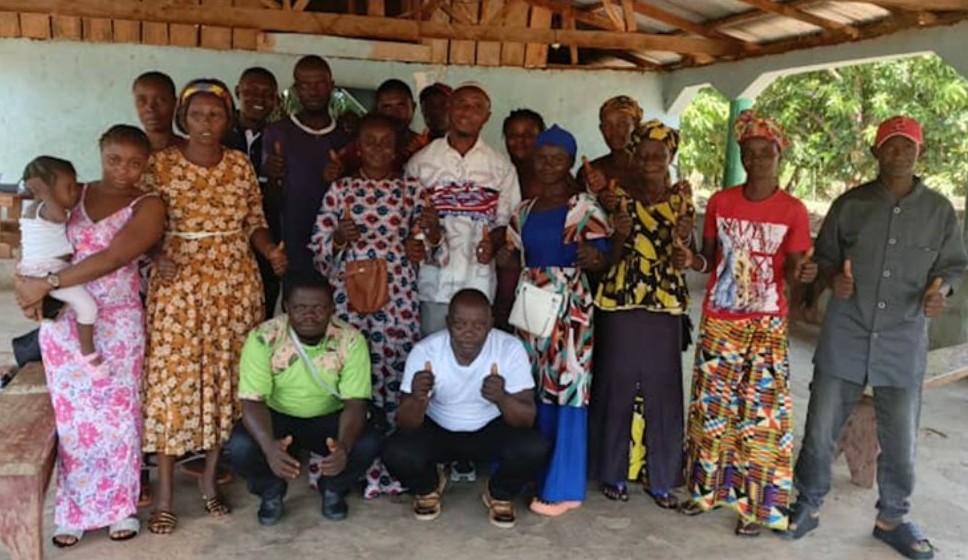
The first quarter of 2025 marked significant progress in expanding the programme’s reach. MAGE-SL facilitated a series of orientation and planning sessions in reselected target communities. These engagements laid the groundwork for implementation, as local stakeholders were introduced to the programme’s vision and invited to shape strategies in alignment with their unique social and cultural realities.
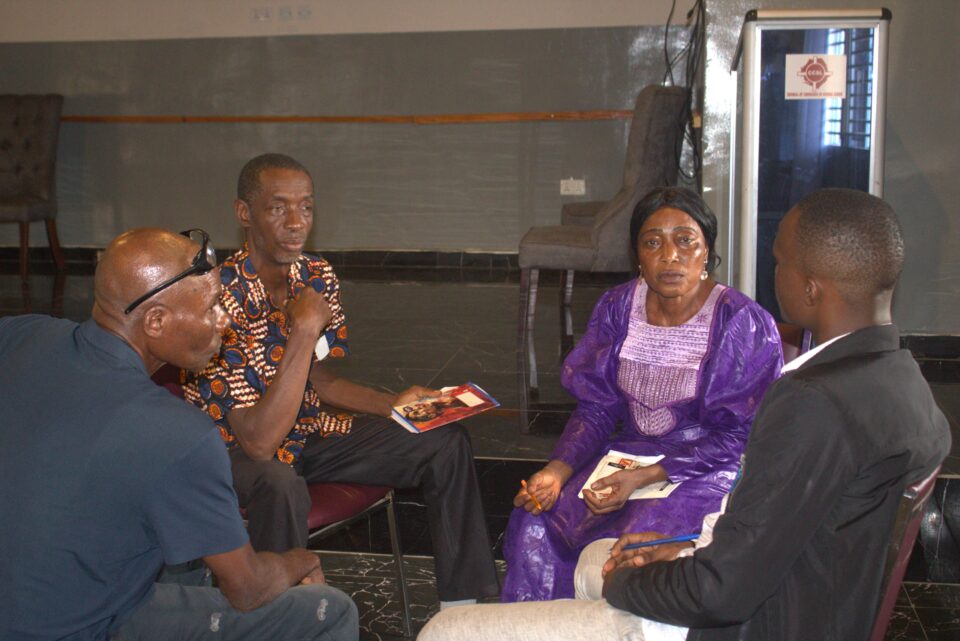
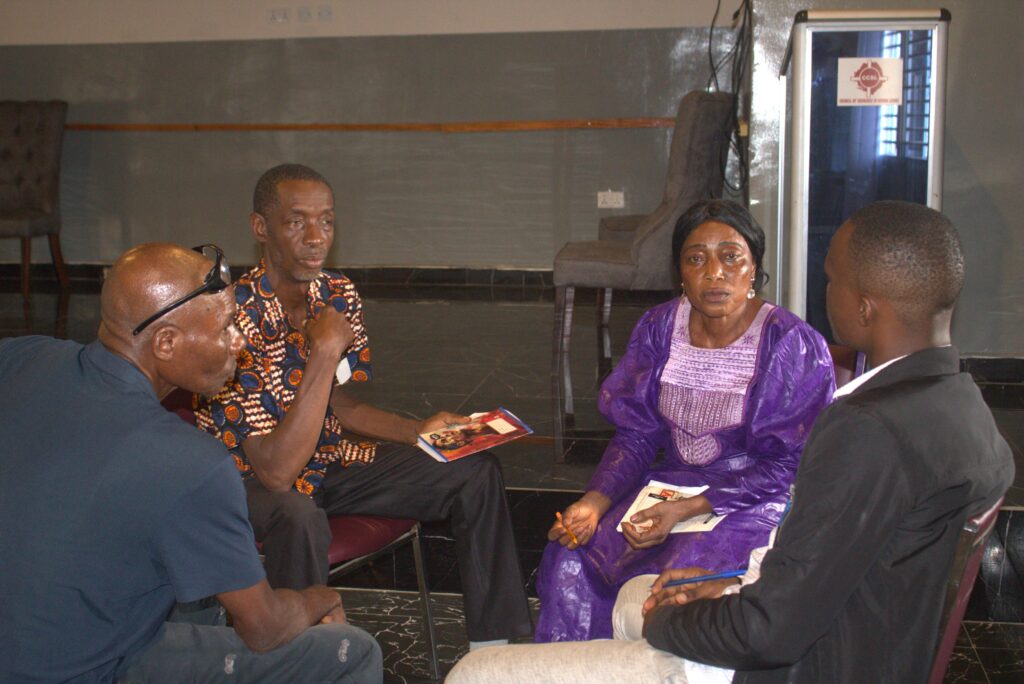
Through these sessions, community members, particularly young people, engaged in open dialogue around the root causes and consequences of violence. Participants explored the importance of peaceful advocacy, civic responsibility, and respectful engagement with authorities. In turn, traditional and community leaders pledged their support for gender equality and committed to maintaining spaces for ongoing dialogue and collaboration.
Youth Taking the Lead Against Violence
A striking feature of this quarter’s activities was the honest and insightful contributions from the youth. In facilitated discussions, young participants identified key agents of violence within their communities, ranging from political actors and unemployed youth to biased community leaders and segments of the security forces. They also drew attention to the groups most affected by violence, including youth themselves, women and girls, the elderly, people with disabilities, and those living in economic hardship.
Beyond identifying problems, youth offered powerful, practical solutions. They advocated for rejecting drug abuse, disassociating from politically motivated violence, verifying information before spreading it online, and promoting civic education. Emphasis was placed on vocational training and peaceful conflict resolution as pathways to a more stable and equitable future.
This proactive spirit reflects a shift in mindset among the youth – a move away from vulnerability and toward leadership.
Traditional and Religious Leaders Embrace Change
Equally important were the reflections of traditional and religious leaders, who acknowledged deep-rooted challenges within their institutions. Many spoke candidly about the continued exclusion of women from leadership roles and the general silence around gender issues in religious and community gatherings.
Yet, the tone was hopeful. Leaders expressed a growing awareness of the need for change and a readiness to support the youth, particularly young women, as agents of change. They recognised the power of youth mobilisation, digital literacy, and energy in reshaping community norms and advancing gender justice.
To turn these insights into action, the programme has facilitated the appointment of community action teams (CAT) to strengthen communication and youth engagement. Efforts are also underway to introduce local bylaws aimed at protecting women and girls while ensuring that perpetrators of abuse are held accountable through accessible and responsive justice systems.
A Growing Network of Gender Justice Champions
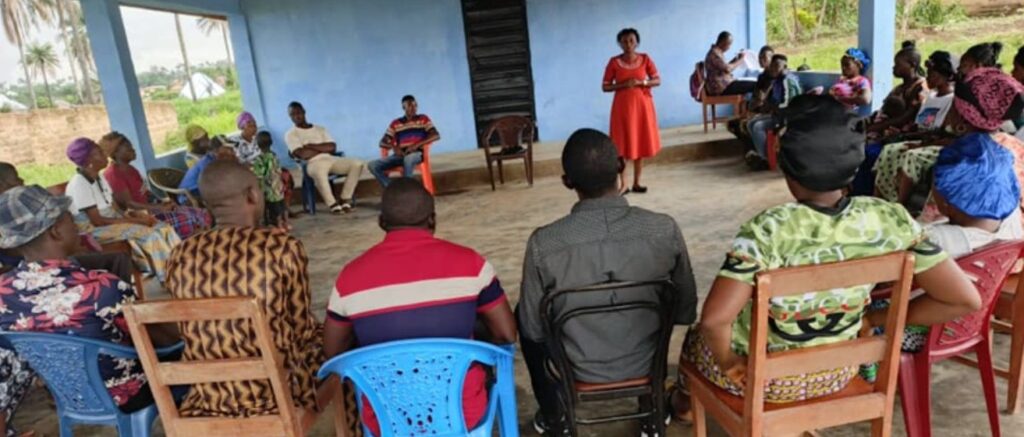
Across our areas of operation, the seeds of change are beginning to bear fruit. Local authorities are showing stronger commitments to enforcing women’s rights. Traditional and religious leaders are opening decision-making spaces to the youth. Women and girls are speaking up with newfound confidence and taking their place in public leadership.
The impact is also visible in changing behaviours. Young people are actively turning away from risky or criminal activities and embracing lawful livelihoods such as farming, entrepreneurship and motorbike transport. Notably, reports of gender-based violence have increased, not because violence is worsening, but because survivors are increasingly trusting the support systems around them. This is a clear sign that the programme is succeeding in creating safer environments for reporting, redress, and recovery.
Looking Ahead: A Future Shaped by Equality and Peace
The first quarter of 2025 has laid a strong and hopeful foundation for transformative change. The BftW/CPS-supported MAGE-SL projects continue to build momentum, fuelled by inclusive dialogue, grassroots leadership, and a collective commitment to justice.
As new leaders rise, cultural norms begin to shift, and communities embrace a shared responsibility for peace and equity, one thing is clear: the future of the Mano River region is being shaped by its people. And it is a future where peace, dignity, and gender equality are not just aspirations—but daily realities for every woman, man, boy, and girl.