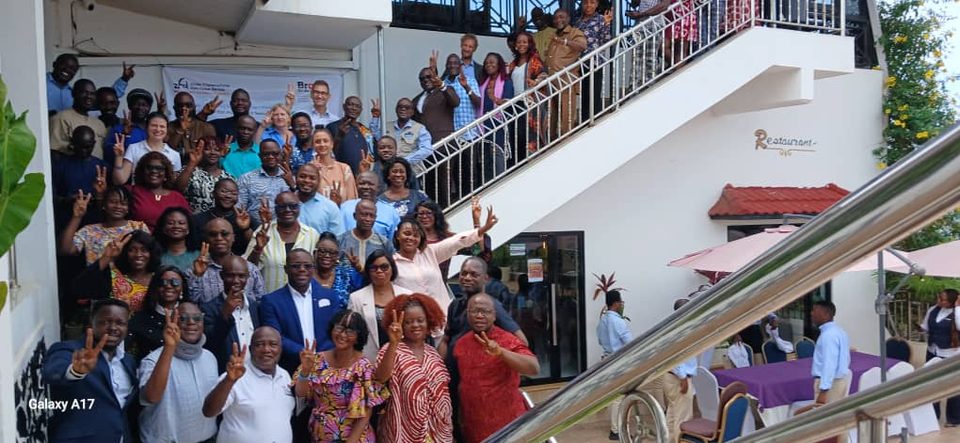
CPS, Liberia YMCA – Strengthening Advocacy Through Gender Training
August 27, 2025
OBITUARY ANNOUNCEMENT!
September 2, 2025MADAM TRANSFORMS YOUNG PEOPLE FROM DRUG VICTIMS TO CHANGE AMBASSADORS
By Suzanne Hartman and Salamatu Conteh
In Bombali and Tonkolili Districts, Northern Sierra Leone, many young people are carrying more than their share of hardship. They face extreme poverty, hunger, and unemployment. While some have either been abandoned or neglected by their families, others face discrimination and constant peer pressure. Social media often worsens the struggle — flooding their screens with images of quick money, risky lifestyles, and false promises.
For many, the escape has been drugs — and none more devastating than Kush, a synthetic, cheap and highly addictive substance currently ravaging young people across the country. Other drugs, including “boss”, “225”, “panda”, and tramadol, have also flooded our streets, thus making them easily accessible by youth. They weaken the body, cloud the mind, and steal away dreams. Addiction leads to theft, violence, and unpredictable behaviour.
The signs are everywhere! Young men and women lying in the streets in terrible conditions. Some with open sores on their feet, unable to walk. Some found dead in alleyways or market stalls. University students dropping out. Youths begging not for food, but for enough money to buy their next dose.
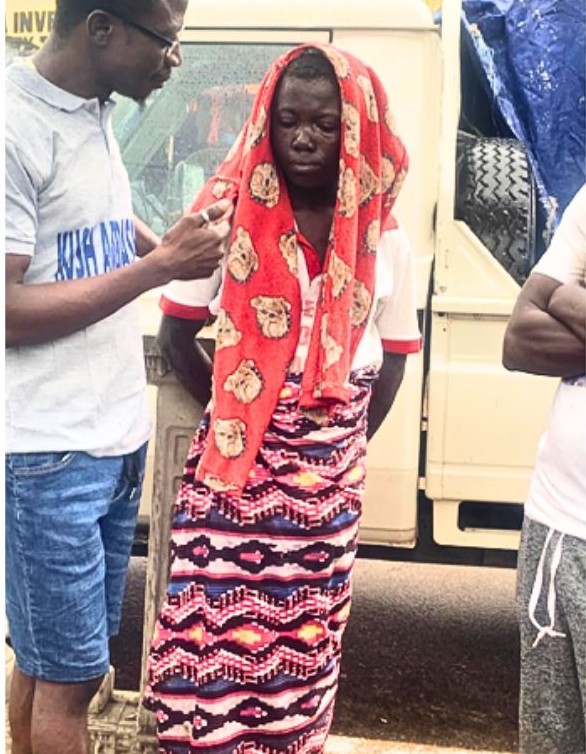
For a long time, there was almost no support for rehabilitation or reintegration. This situation however began to change with the intervention of the Civil Peace Service (CPS) Network partners over the last three years.
MADAM, a local NGO, decided to confront the crisis head-on. “We went straight into the places where Kush was sold and consumed, including lorry parks, car-wash centres, ghettos, street corners. “We held sensitisation activities using training sessions, meetings, role plays, community dramas, and experience sharing sessions. We spoke with victims, relatives, community elders, and even the people selling the drugs. What we saw was heart-breaking, but it also made us determined to continue”, Salamatu Conteh, Advocacy Coordinator at MADAM recounts.
At first, the team from MADAM was joined by a few young people — some were relatives of Kush victims who wanted to stop others from going down the same path. But then, something remarkable happened: victims themselves started to step forward. They had decided to change, and wanted to be part of the solution.
With consistent encouragement from the team, the numbers grew. By the end of the first phase, 15 young people had joined — some former addicts, others relatives — ready to take leadership in the “fight”.
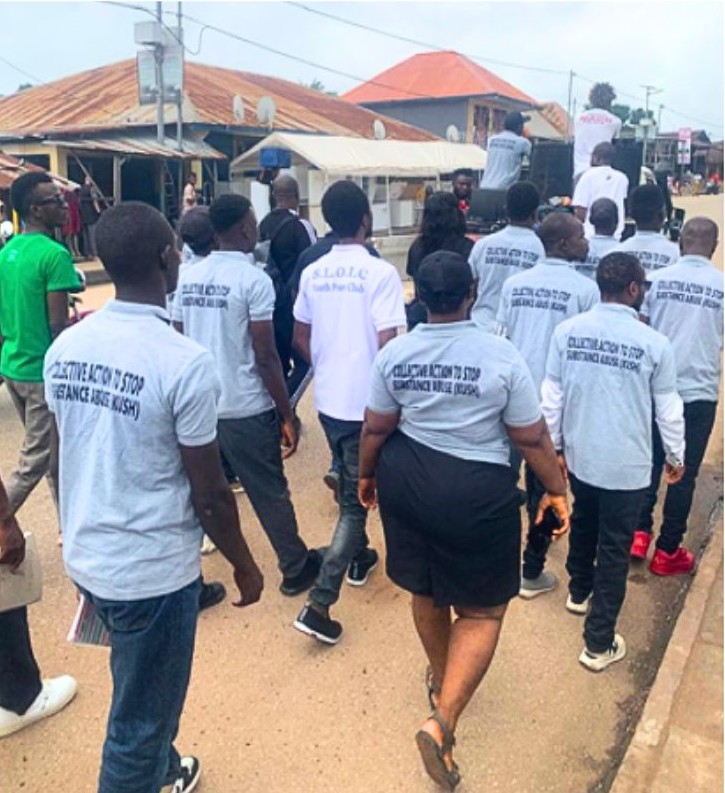
As part of their intervention package, the team from MADAM listened to their stories, supported them with basic trauma-healing sessions, and equipped them with T-shirts and other outreach materials. They were rebranded as with the name; “Kush Ambassadors”.
These ambassadors became the heart of MADAM’s campaign. They returned to the same streets, ghettos, and hiding places where they once used Kush — but this time as messengers of hope. They spoke on radio programmes, visited homes, attended public gatherings, and used their own experiences to warn others. They carried photos and proofs of what Kush had done to them, and also showed the changes they had made. Slowly but surely, the impact became visible. The number of young people begging in the streets began to drop. The numbers lying in the streets with sores decreased. Families started welcoming victims back home instead of shutting them out. And more young people began joining skills training, returning to school, or looking for work.
Ishmael, a young man from Makeni, spent years trapped in a destructive addiction to Kush. His life was going nowhere.
When MADAM began working with the Kush Rehab Centre in Makeni, the organisation offered not just material support, but also psychosocial counselling and scholarships for vocational training. Ishmael was one of the young people who took this opportunity. He came directly from the Kush Rehab Centre on a scholarship from MADAM.
He chose to study hospitality at the TVET centre. Just one year later, Ishmael has completed his first year with exam scores in the 80s and 90s. He hasn’t missed a single day of class. Every morning, he arrives with a smile — a visible sign of renewed purpose and hope. Today, Ishmael dreams of opening his own catering business, and his story inspires others still fighting to escape addiction.
This is the power of putting young people at the centre of change. When those who have lived through the pain take the lead, transformation is real. They speak the language of the streets, they understand the struggle, and they can reach those no outsider can.
Edward Conteh, Head of Programmes at MADAM applauds his organisation’s efforts in supporting young people, while encouraging other like-minded institutions to join them in the same path. “At MADAM, we have learned that sustainable change means walking alongside these young leaders. That is why we continue to provide scholarships to Kush victims who are willing and ready to learn skills, to offer life-skills training, to support youth-led initiatives, and to work hand-in-hand with other organisations who share this mission”, Mr. Conteh emphasised.
The fight against Kush is not yet over, but thanks to the courage of these ambassadors, the tide is gradually turning. And as long as young people are willing to stand up for change, we will stand with them — until every young person has the chance to live with dignity, hope, and peace.