
Reflecting 2025 – Strengthening Peace Partnerships for 2026
February 22, 2026
Special Statement from CPS/BFTW Coordinator-Liberia on the Occasion Marking International Women’s Day 2026
March 6, 2026SEE THE POSITIVE IN DIFFERENCES, DMJ IS WORKING
SEE THE POSITIVE IN DIFFERENCES
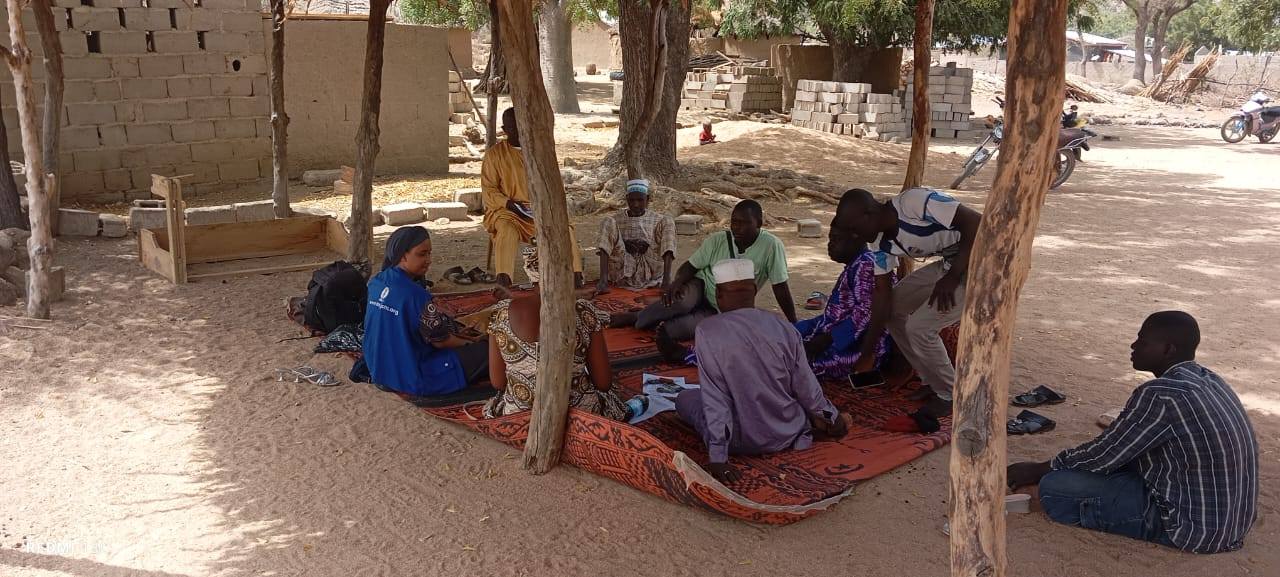
The esplanade of the Mora Massif chiefdom in the Mayo Sava department served as the setting for a community dialogue meeting between representatives of different ethnic groups.
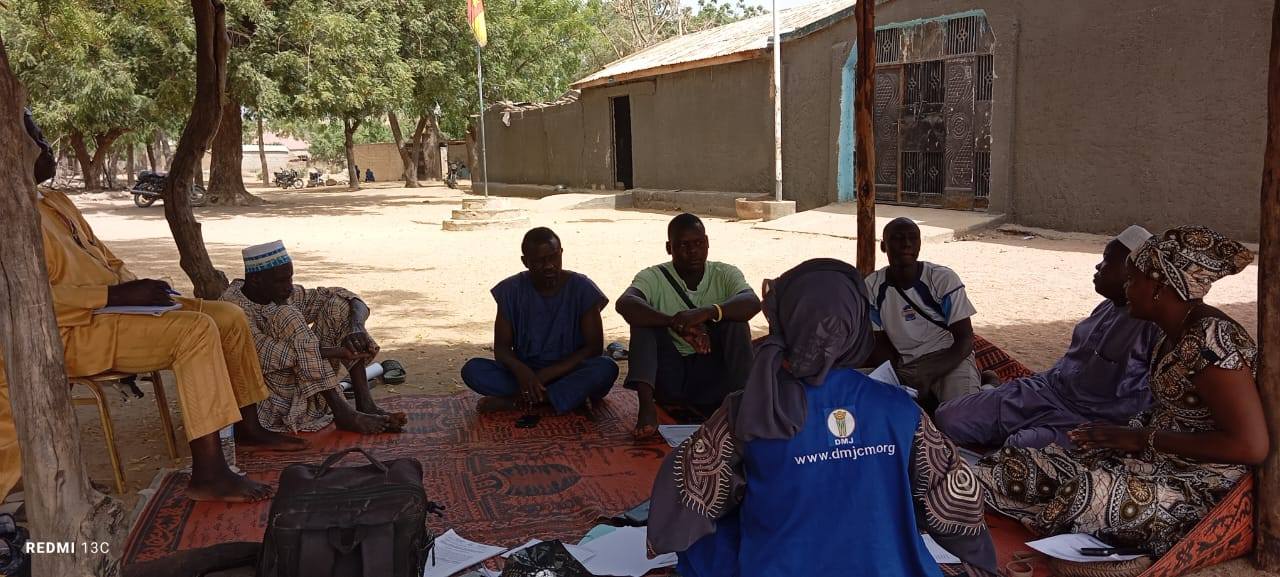
Eight ethnic groups were represented by nine participants, including eight men and one woman from the Moura (Doume), Mada, Mandara, Toupori, Moundang, Muyan, Kanouri, Podoko, and Ouldeme. In subgroups where a representative of one ethnic group sat opposite a representative of another, participants discussed what they appreciated and disliked about each other. The subgroups were thus formed: A1 (Moura-Mada), A2 (Toupori-Muyan), B1 (Matal-Kanouri), and B2 (Podoko-Ouldeme). Following the discussions, both positive and negative beliefs were revealed. Here are some of the feedback from the groups.
The Muyans are said to be:
• perceived as very wicked and deceitful.
• organized and supportive of one another, but not of other ethnic groups.
The Tuporis:
• dislike associating with other ethnic groups.
• practice the “sá” ritual too much, which breeds mistrust.
• do not attend funerals.
As for the Mada:
• are said to be very proud of others and stingy.
• supportive of one another and wise.
Regarding the Moura:
• They dislike other ethnic groups adopting their practices, traditions, and rituals.
• They do not want others to evolve.
• The Moura feel abandoned and neglected.
• A Moura cannot marry a Mada without being banished from their community.
Regarding the Kanuri, they
• would always seek to dominate others.
• They would be perceived as very wicked, hypocritical, and merciless.
• If you don’t speak their language, they would consider you a “Kirdi,” even if you are Muslim, and they would only share everything with their own people.
Regarding the Podoko, they would be:
• sociable, but would tend to eliminate those who are spiritually evolved out of jealousy.
The Mandara would be:
• untrustworthy; one cannot trust a Mandara.
• too inclined towards sorcery, pride, and domination.
• However, the Mandara (Moulgoi) would be too immersed in the practice of their religion. They would have a strong attraction to politics, commerce, and power.
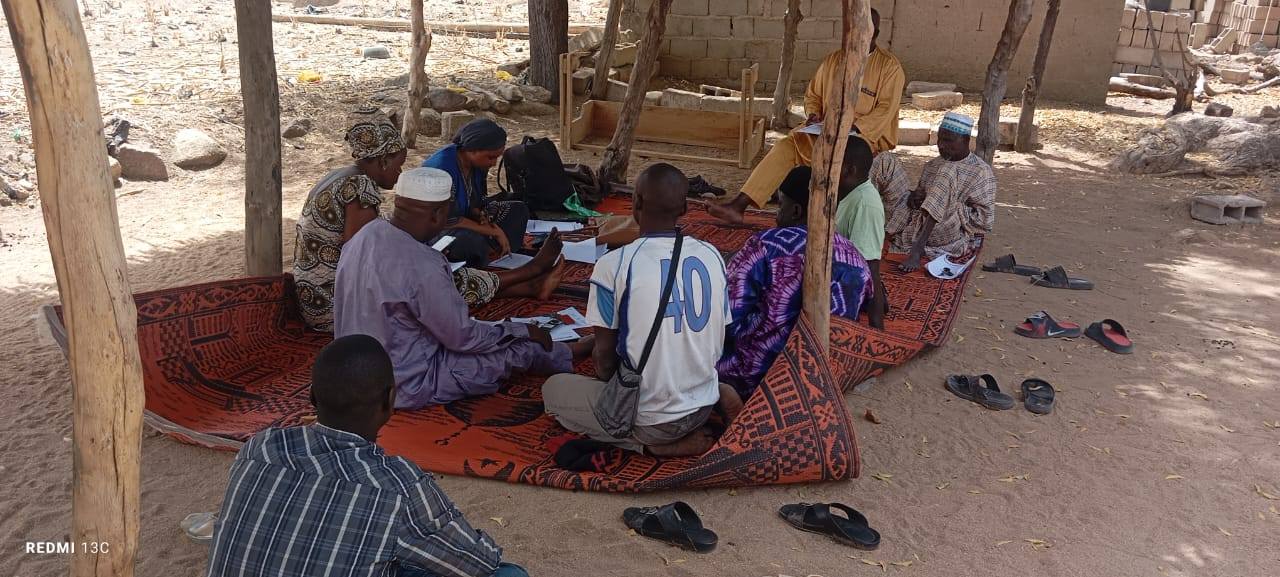
These discussions helped participants understand how others perceive each other. At the end of the workshop, participants shared what they had learned and felt.
For some, the discussions taught them humility and compassion for others, and how to be gentle and strategic when working with young people. Others expressed their satisfaction because these new skills would allow them to connect with and listen to more people without judgment.
Before parting ways, the participants, committed to forming a network of advocates for respect for diversity, scheduled a follow-up meeting for Monday, February 23, 2026, to identify the actions they need to take to disseminate positive narratives from one ethnic group about another.
Dupleix Kuenzob