
LOIC Gender Girls Program: Helping Young Liberian Women Build New Futures
August 10, 2026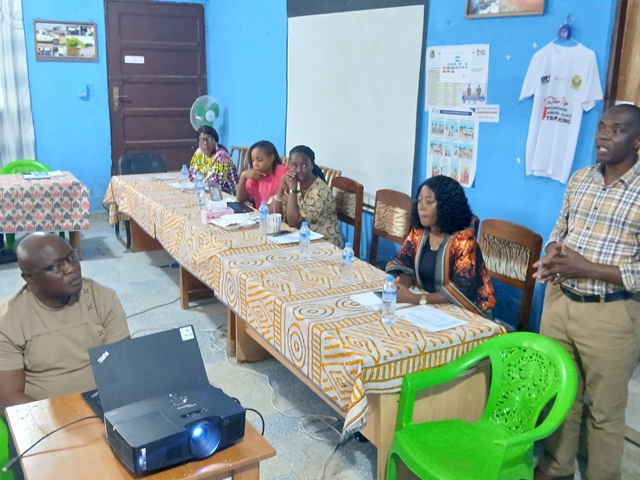
CPS Network Partners Highlight Progress, Strengthen Collective Action for Lasting Peace
September 8, 2026Civil Society Organizations Unite to Strengthen Liberia’s Fight against Illicit Drugs
Civil society organizations from across Liberia have agreed to strengthen collaboration and collective action in the fight against illicit drugs and substance abuse in the country.
The commitment was made at a one-day meeting of the National Civil Society Platform Against Illicit Drugs, held on August 21, 2026, at the Center for Justice and Peace Studies (CJPS) office on S.D. Cooper Road in Paynesville.

The meeting hosted by the Center for Justice and Peace Studies (CJPS) brought together representatives of civil society organizations, media, youth groups, faith-based organizations and other partners involved in drug prevention, awareness, rehabilitation, reintegration, peacebuilding, human rights and community development.
Objective of the Meeting
The meeting was convened to assess the current illicit drug situation in Liberia and determine how civil society organizations can strengthen their collective response.
Opening the meeting, Francis Konyon of CJPS welcomed participants and said the gathering was intended to bring organizations together, identify available resources and expertise, and harness their collective capacity to contribute to addressing the country’s drug problem.
Samuel Darporlor said the meeting would provide an opportunity for participating organizations to present their work, assess the current response to illicit drugs and develop practical action points to guide the network’s future interventions.
Organizations Share Their Experiences
Participants outlined a range of activities already being undertaken to address drug and substance abuse:

They highlighted the role of the media in public education and awareness, including programs addressing the effects of drugs on individuals and communities.
Youth-focused organizations described their work with young people through awareness campaigns, community engagement, school programs and efforts to prevent substance abuse.
Other organizations highlighted programs addressing women’s empowerment, disability inclusion, human rights, psychosocial support, community peacebuilding and the prevention of harmful behaviors.
Participants also noted collaboration with government institutions, including the Liberia National Police, Liberia Drug Enforcement Agency, Liberia Immigration Service, Liberia Peacebuilding Office and other stakeholders.
Critical Challenges Identified
Following the institutional presentations, participants divided into two groups to examine the country’s drug situation and identify critical challenges and possible solutions.

Group sessions
The discussions acknowledged some progress by government in the fight against illicit drugs, including the arrest of high-profile and mid-level officials and other individuals accused of involvement in drug-related activities.
However, participants identified limited financial resources, inadequate logistics and insufficient rehabilitation structures as major challenges.
They also cited difficulties in reintegrating rehabilitated drug users into their communities, including stigma and rejection. Other concerns included prison overcrowding, inadequate professional training for law enforcement personnel, high unemployment, political interference and concerns about the influence of drug money and criminal networks.Recommendations.
Participants called for increased government funding for the fight against illicit drugs and greater investment in prevention, rehabilitation and reintegration.
They also recommended training for personnel involved in drug enforcement and rehabilitation, increased access to psychosocial counselors, and legal support to strengthen the prosecution of drug-related cases.
The establishment of an anti-corruption court was also proposed as part of broader efforts to strengthen accountability.

Participants at the close of the meeting
Key Outcomes and Engagements
A major outcome of the meeting was the decision to strengthen the National Civil Society Platform through thematic areas based on the expertise and capacity of participating organizations. The platform will focus particularly on prevention and response, while members will work together to increase public awareness and communit