CPS Network Partners Convene in Freetown to Strengthen Sustainable Peacebuilding and Resource Mobilization
October 21, 2026Mano River Union Civil Peace Service Network and Development Partners Call for Resource Mobilisation and Sustainable Partnerships in Freetown
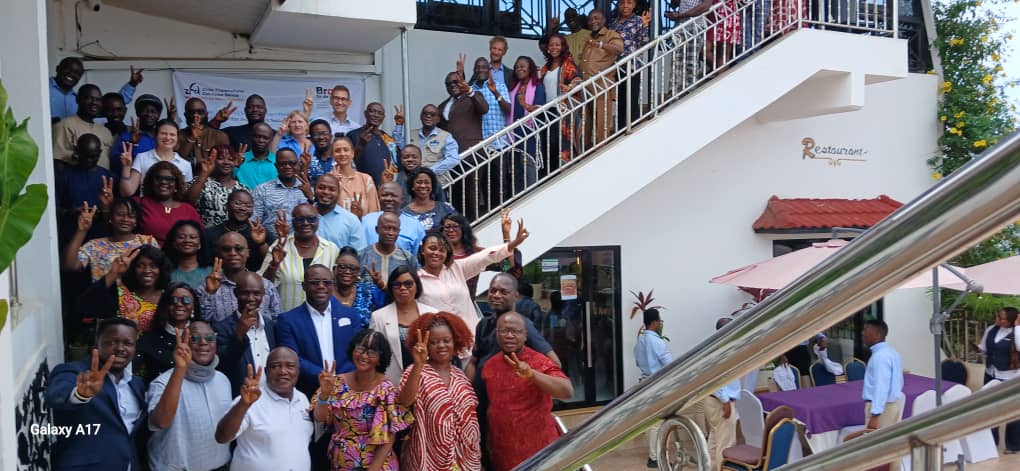
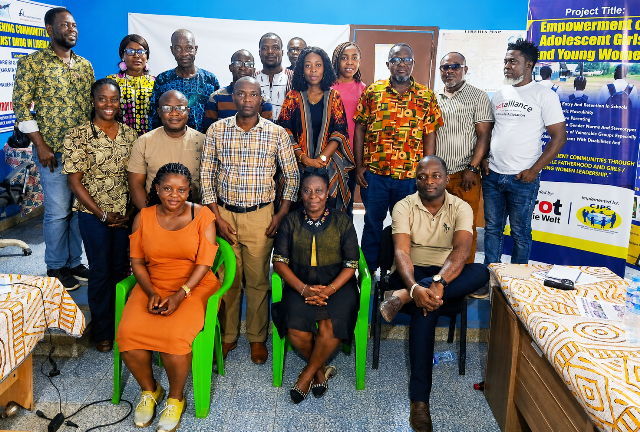
The Bread for the World (BftW)-supported Mano River Union (MRU) Civil Peace Service (CPS) Programme has concluded a three-day conference, held from 20 to 22 October 2026 at Hotel Barmoi in Freetown, Sierra Leone.
The Bread for the World (BftW)-supported Mano River Union (MRU) Civil Peace Service (CPS) Programme has concluded a three-day conference, held from 20 to 22 October 2026 at Hotel Barmoi in Freetown, Sierra Leone.
The conference theme, “Sustaining peace-building in a changing funding landscape: mobilising resources, strengthening partnerships and building resilience,” brought together members of the network from Sierra Leone and Liberia, the BftW team from Berlin, Germany, the German Embassy in Freetown, the Independent Commission for Peace and National Cohesion, the Directorate of NGO Affairs at the Ministry of Planning and Economic Development, the Sierra Leone Association of NGOs, and media representatives.
CPS National Coordinator, Ms. Adenike Antonia Cole, welcomed participants and urged them to focus on actionable solutions rather than simply discussing challenges. “Maintaining our peacebuilding gains requires us to explore innovative funding and partnership opportunities,” she said.
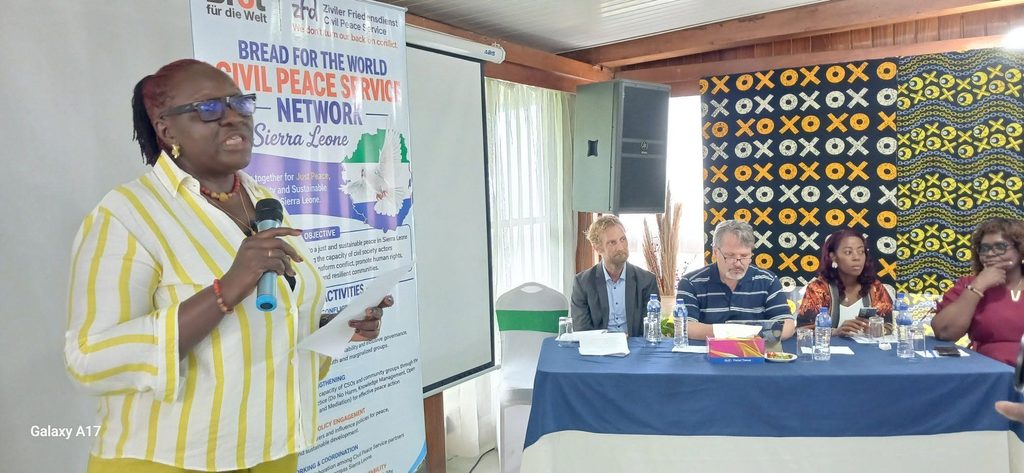
Speaking on behalf of the Executive Secretary of the Independent Commission for Peace and National Cohesion, Francis Mustapha Sengeh, said peacebuilding institutions faced growing demands amid economic pressures, declining aid budgets, climate risks, political polarisation, misinformation, and youth unemployment. He called for greater funding from domestic sources and the private sector, with support reaching community peace committees, mediators, women, and young people.
“Prevention is more humane, more cost-effective, and more sustainable than responding to violence after lives have been lost and communities destroyed,” he said.
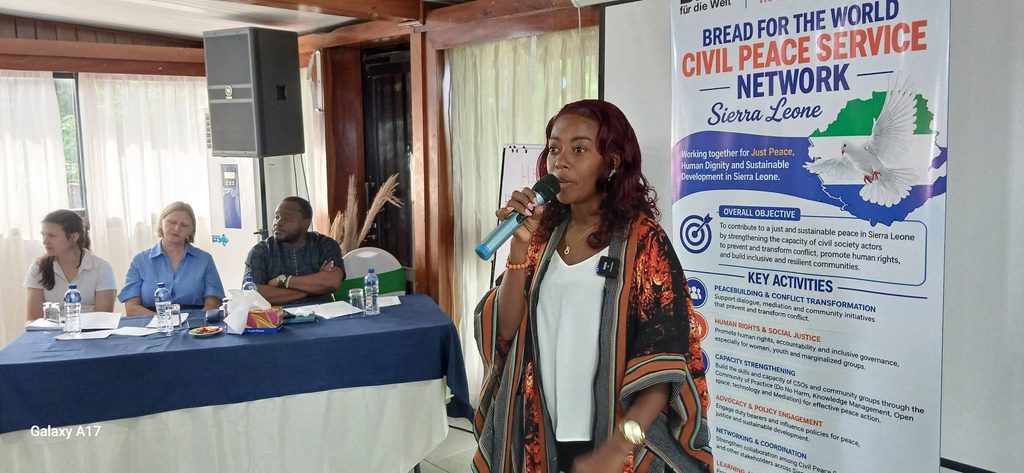
Decontee Eva George, CPS National Coordinator in Liberia, urged the conference to move from discussion to action and ensure communities help shape programmes. “We should plan with communities to ensure ownership and sustainability,” she said.
Johannes Behrens of the German Embassy in Freetown said peace and development were inseparable. He reaffirmed the embassy’s commitment to working with partners, commended Sierra Leone’s progress since the civil war, and urged continued efforts to prevent conflict.
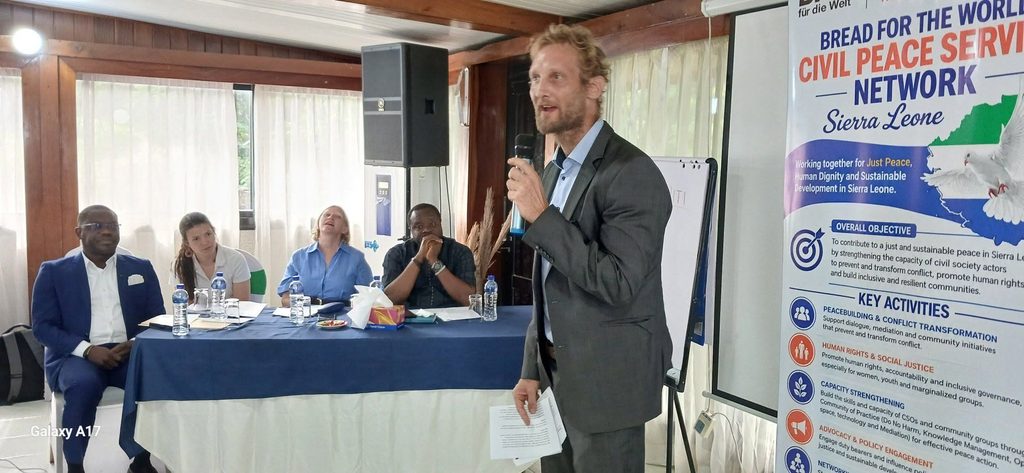
BftW representatives from Berlin thanked partners for working together over the years to promote peace in both countries. They encouraged partners to develop innovative approaches to resource mobilisation to sustain peace work across the subregion. They also noted the funding challenges facing donors and countries in the West as priorities shift. Despite current funding cuts, they assured partners of BftW’s continued support for the MRU programme.
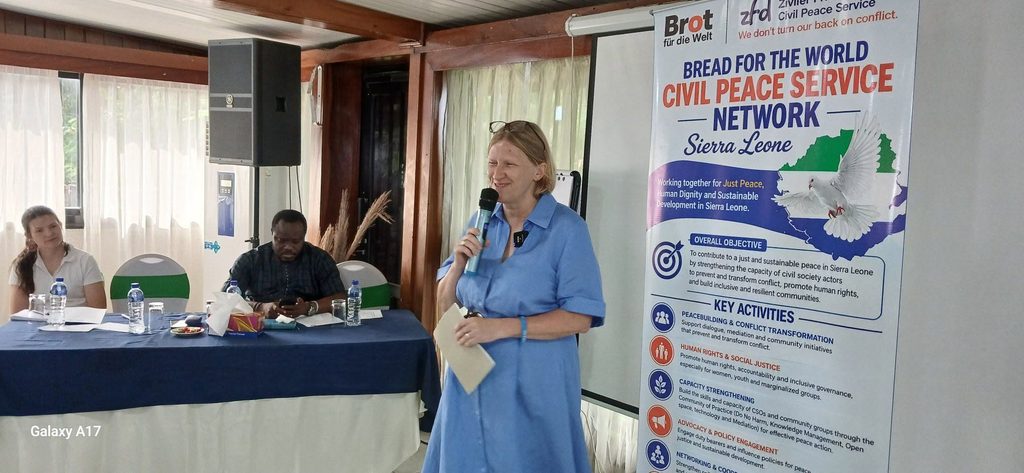
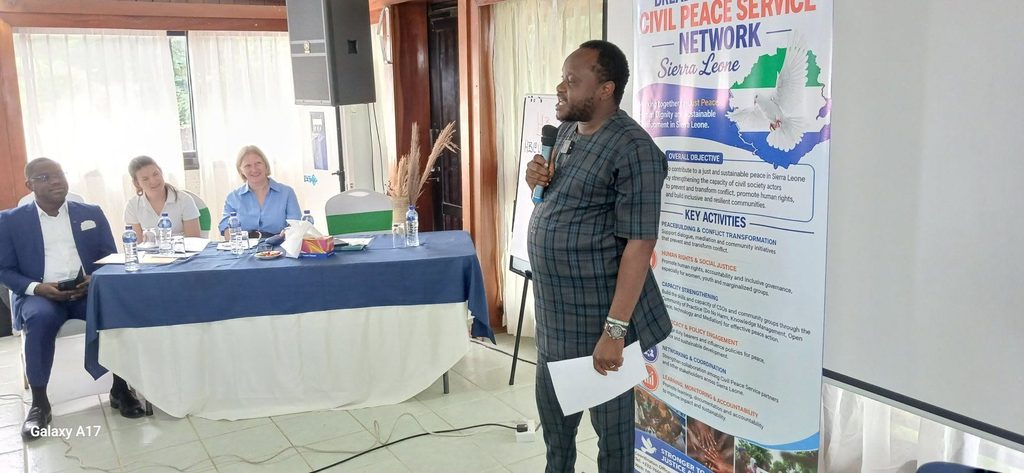
Delivering the keynote address, Eric Massallay, Director of NGO Affairs at the Ministry of Planning and Economic Development, said the conference theme addressed the heart of current development challenges. “It compels us to look beyond immediate project funding and address the long-term sustainability of our interventions, the strength of our collaborative structures, and the institutional resilience required to deliver lasting impact for the communities we serve,” he said. Massallay encouraged network partners and other NGOs to seek domestic support and build partnerships with businesses, diaspora groups, and charitable organisations. He also urged them to improve financial management and clearly demonstrate their results.
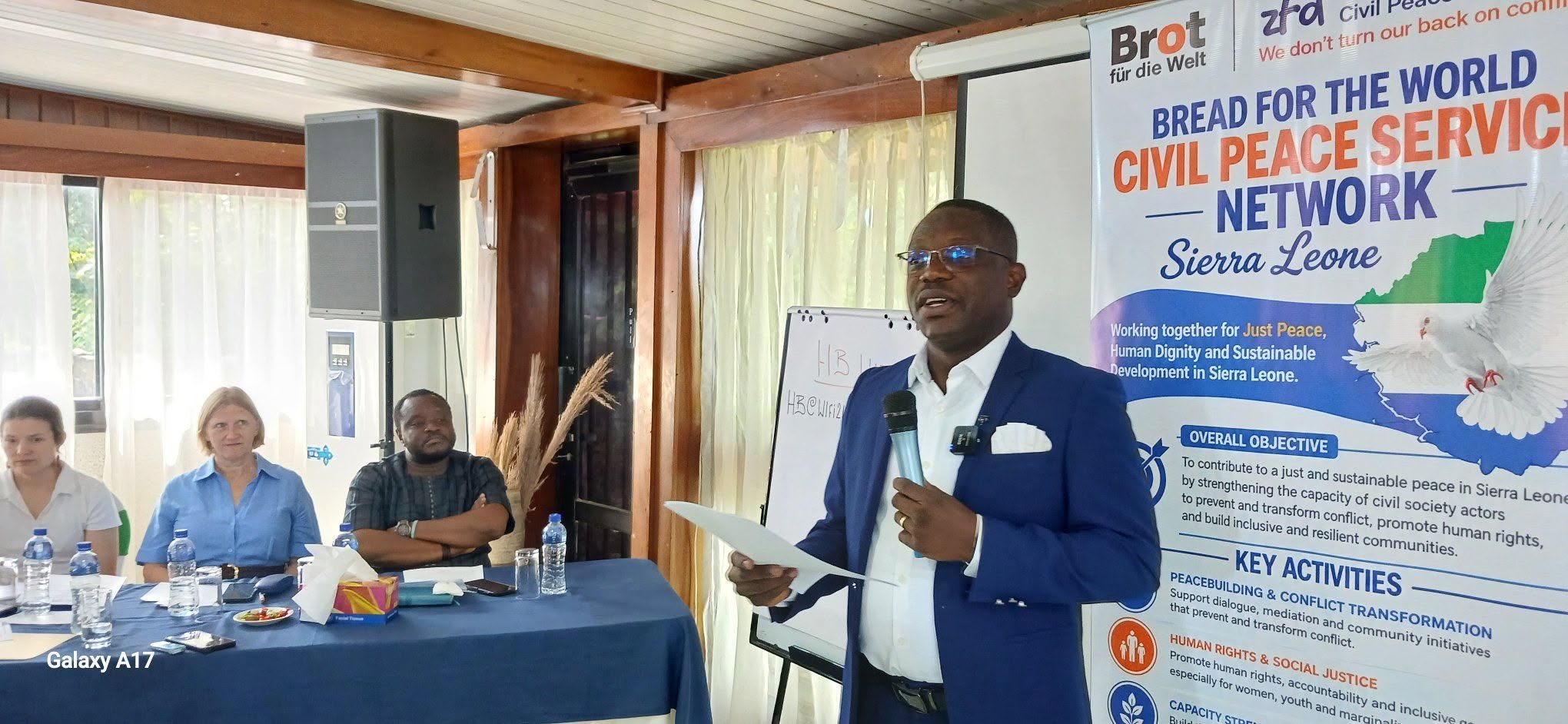
The conference explored ways to sustain the network, including strengthening existing partnerships and forming new ones to ensure sustainability of gains. These efforts are intended to help partners continue peacebuilding and development programmes in their local communities.
Facilitators from Liberia and Sierra Leone led sessions aimed largely at strengthening partnerships through joint projects. Partners formed consortia around themes including gender justice, technical and vocational skills development, youth involvement in violence and drug use, election-related violence, land rights, and environmental management, all linked to peacebuilding and social cohesion. Each cluster also developed an annual work plan that included new ways to diversify resource mobilisation and support long-term sustainability.
The conference also explored how to use and sustain the network’s existing expertise through its Community of Practice (CoP). The CoP brings together members from network partner institutions who were identified by the Support Team in Berlin and trained in Do-No-Harm, Mediation, Open Space Technology, Knowledge Management, and Reflecting on Peace Practices in both countries.