Mediation as a complement to traditionalmethods of conflict resolution in Cameroon
November 4, 2025
CPS Liberia Partners Strengthen Efforts to Enhance Social Cohesion
November 17, 2025CCSL Campaign Sheds Light on Trauma, Stigma and Harmful Social practices in Northern Sierra Leone
By Josephine H. Koroma- CCSL
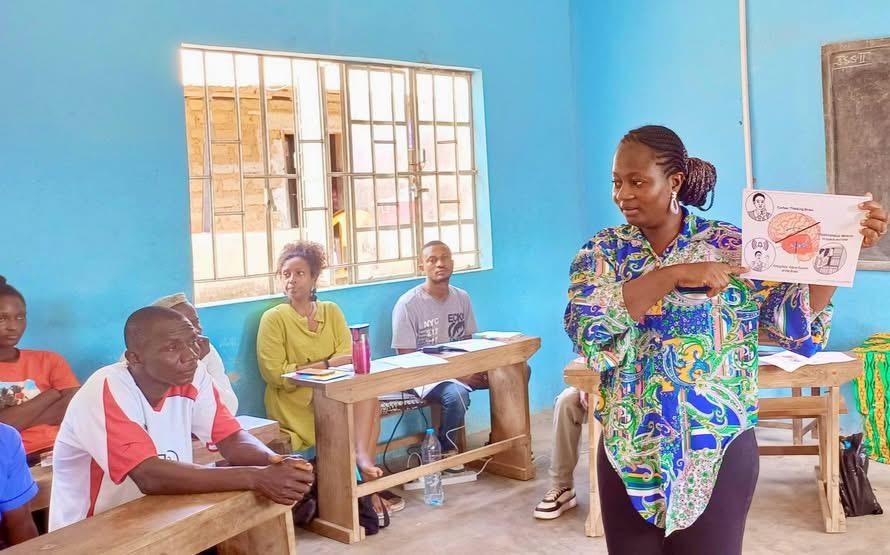
Issues such as sexual and gender-based violence (SGBV), drug addiction, trauma, stigma, and female genital mutilation (FGM/C) are commonly heard of, but how well are they truly understood? Many people know these terms, yet they may not fully grasp what they really mean or the harm they cause in real life. These issues continue to increase and affect many individuals and families, making the need for awareness even more crucial.
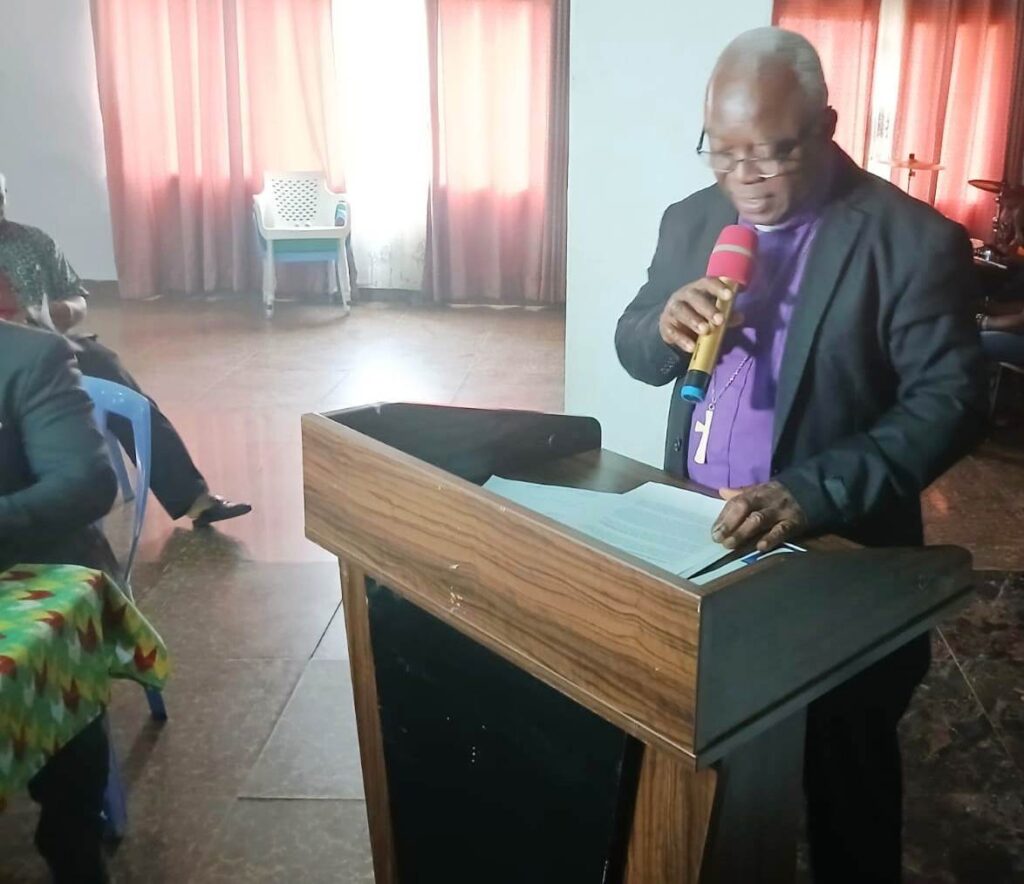
In response, the Council of Churches in Sierra Leone (CCSL), under its project “Strengthening Counselling and Care”, carried out a sensitization campaign across three communities, Tambiama, Mabonkani, and Bumbuna in the northern region of Sierra Leone. The aim was not only to inform but to engage people in honest and critical conversations about these harmful practices and experiences.
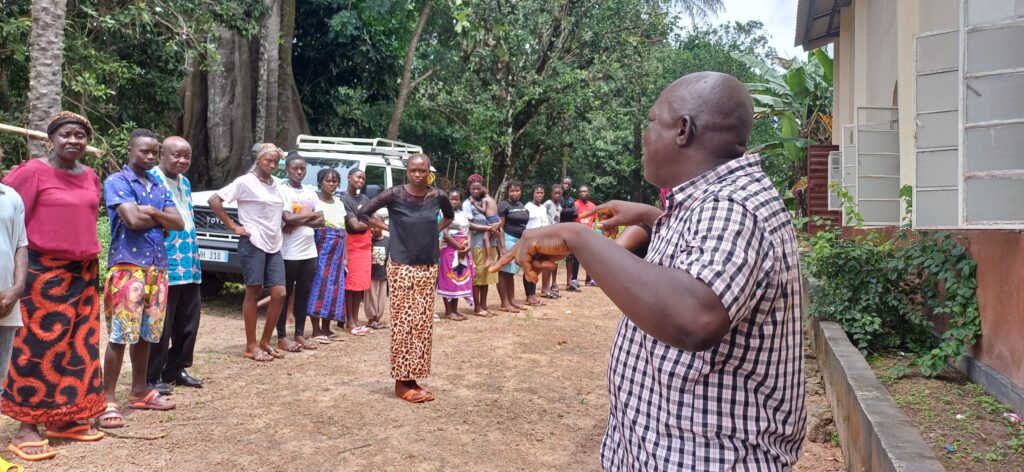
The CCSL team encountered eye-opening situations that revealed deep-rooted social practices and beliefs. One of the most striking observations was the high level of tolerance toward violence in romantic relationships, even among young people (teenagers). This behaviour, often influenced by gender inequality and misconceived gender roles is concerning.
Conversation on FGM/C was intense even though there were hesitations to talk in some areas, but some participants agreed with the truth that this practice, causes irreversible harm both physically and emotionally. They acknowledged that ending FGM/C could significantly reduce poverty, health complications, and long-term psychological effects among women and girls. There was a shared recognition that families and communities must make strong, informed decisions to say “NO” to FGM to safeguard the future of girls and protect their rights and health.
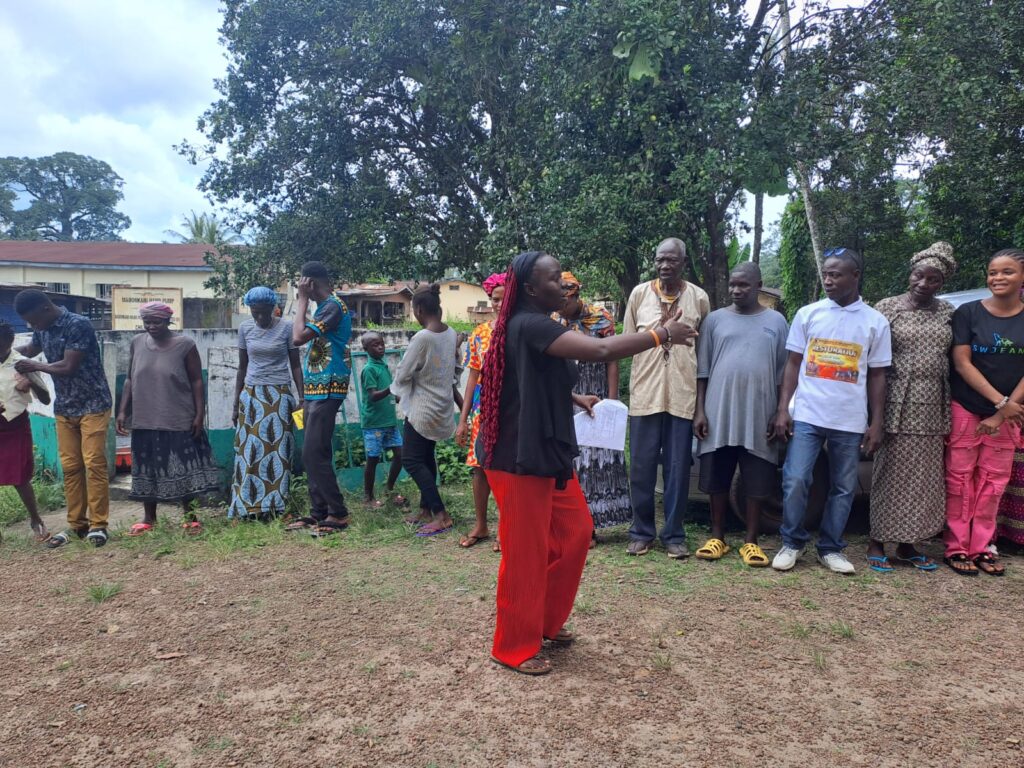
Chief Sorie Kamara of Mabonkani expressed gratitude to CCSL for bringing such vital information to his community. “As local leaders, our influence and support towards these kinds of interventions will send a strong signal to discouraging and eradicating harmful practices in society”, he emphasised. His support, like that of other local leaders, is essential in shifting attitudes and protecting vulnerable individuals.
The message from CCSL was clear; violence should never be normalized no matter how common it may seem. It is not a show of love but power – it is abuse. Communities must challenge long-held beliefs and start with self-reflection, especially in how individuals behave, speak, and relate to one another. Every person has a role to play in preventing violence and supporting victims.
The Council of Churches in Sierra Leone continues to enhance the skills of its lay counsellors across the country and encourage all to seek counselling when needed. Too often, silence and shame keep survivors isolated. But healing begins when communities come together to support, not judge. CCSL’s campaign showed that while people may know the terms, there is still much work to be done to truly understand and end these issues in society.