
Two-Day Mediation Training Ends with Strengthened Skills Across CPS Network
December 5, 2025
LCL-THRP Concludes Access to Justice Conference
December 6, 2025LOIC Launches Five-Year Strategic Plan, Dedicates Multi-Purpose Hall
The Liberia Opportunities Industrialization Centers (LOIC) on Wednesday, December 3, 2025, launched a five-year strategic plan and also dedicated a multi-purpose building in honor of a former National Executive Director, the late Solomon D. King.
Speaking during the launch of the business plan, LOIC Executive Director Mr. Rufus Monroe noted that the institution has achieved two significant milestones: the renovation and dedication of the LOIC multi-purpose hall and the development and launch of the five-year strategic plan.

“The event marks a major milestone in the sustainable growth of this institution.” Mr. Monroe declared. “The strategic plan sets a clear framework for the development of the institution, and it is a roadmap for institutional excellence and sustainability.” Mr. Monroe declared. He added that the plan will incorporate the use of digital tools to enhance TVET learning and ensure alignment with international TVET standards and programs.
During the dedication of the Solomon D. King Multi-Purpose Hall, Mr. Monroe emphasized that naming the facility after the late Solomon D. King is deeply meaningful, as it honors his leadership and enduring legacy. He further called on the Government of Liberia and development partners to support LOIC in implementing its agenda, noting that such support will also advance Liberia’s broader national development goals.
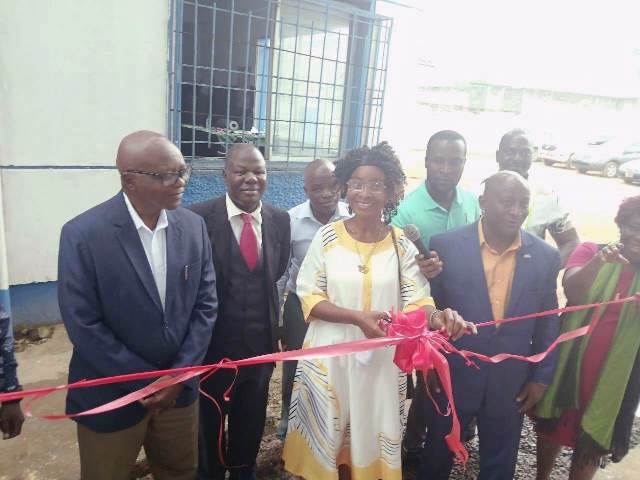
During the launch of the strategic plan, LOIC Board Chairman Mr. Joseph Duwor called for a unified TVET framework in Liberia. He stressed that the large number of TVET institutions underscores the need for a coordinated system to strengthen training outcomes nationwide. He also appealed to the Government of Liberia to increase its budgetary support to LOIC. Mr. Duwor expressed hope that the organization will successfully mobilize the estimated 10.5 million United States dollars required to fully implement the plan.
In remarks, Civil Peace Service (CPS) Coordinator Madam Decontee E. George, said the five-year strategic plan of the LOIC comes at a crucial time, especially in the face of shrinking donor support. She referenced USAID and other international partners’ drawdown in support to organizations in Liberia and around the world. This has left a huge gap in support to partner organizations, she said.

“Your five-year strategic plan is tangible, noting far-sightedness and a journey of sustainability. This is a profound beginning, and we want to stand with you as partners.” The CPS Coordinator told the LOIC family.
On the standardization and establishment of a TVET structure, Madam George called for quality control and profiling of instructors at TVET institutions to help shape the technical and vocational agenda of Liberia. She also called on the young people of the LOIC to play constructive roles in lobbying in the interest of the LOIC, ensuring that value is added to the programs.
With the LOIC strategic plan in effect, the institution is expected to achieve several outcomes, some of which are:
Enhanced Digital Learning Capacity: The LOIC will integrate modern digital tools and platforms into all TVET programs, enabling flexible, technology-supported instruction and ensuring alignment with international TVET standards and practices.
Sustainable Organizational Growth: LOIC is expected to achieve strengthened financial stability, diversified funding sources, increased enrollment, and improved operational efficiency, positioning the institution for long-term viability and expansion.
Institutional Excellence and Quality Assurance: A clear roadmap will guide improvements in governance, curriculum development, staff capacity, infrastructure, and service delivery, resulting in a high-performing institution recognized for quality and adherence to global best practices, and
Globally Competitive TVET Programs: TVET offerings at LOIC meet international benchmarks through updated curricula, competency-based training, digital integration, and strengthened partnerships, enhancing graduate employability and competitiveness in both local and global labor markets.