CPS, MRU Conference – Partnering to Combat Drugs and Substance Abuse
November 6, 2024
CPS Partners on Drug and Substance Abuse, and its Effect in the MRU
November 11, 2024Paving the way for peace in the Great Lakes region
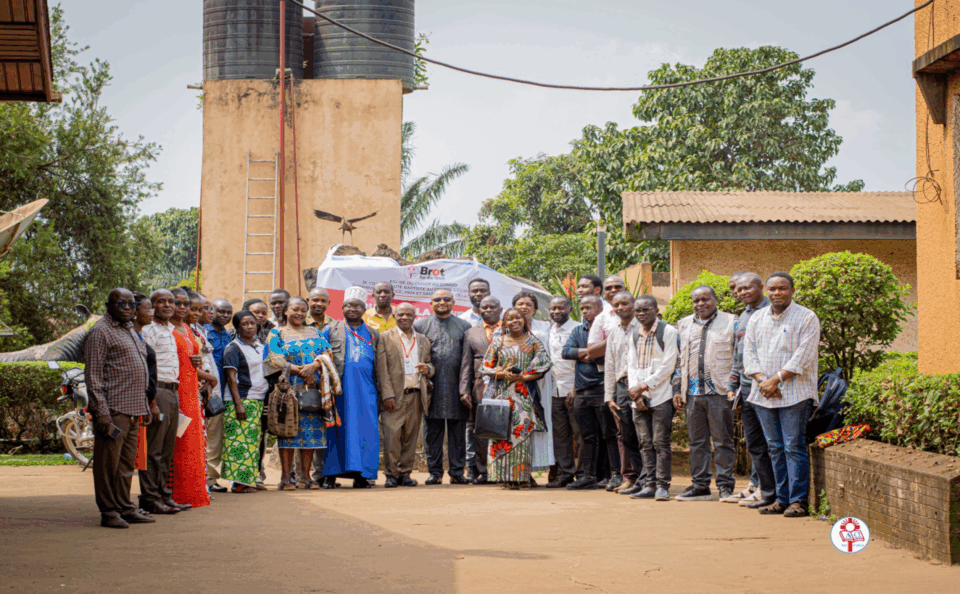
From 23 to 25 October, Dar-es-Salaam hosted an important regional forum that brought together community leaders, government representatives and international organisations. This meeting resulted in an ambitious declaration to address the multiple crises affecting the African Great Lakes Region. Organised by Reseau d’Innovation Organisationelle, The Fellowship of Christian Councils and Churches in the Great Lakes and Horn of Africa (FECCLAHA) with the support from Brot für die Welt. This Peace Forum highlighted current challenges and proposed concrete steps to restore stability.
Discussions were dominated by participants’ concerns about the persistence of conflicts, particularly in the east of the Democratic Republic of Congo (DRC). These conflicts, exacerbated by local armed groups and external interventions, have plunged the region into a deep crisis with dramatic social, economic and humanitarian consequences.
The Forum’s final declaration underscored the dangers these conflicts pose to the future of millions of people and warned of their devastating impact on future generations: “The consequences for populations and States are catastrophic and threaten the future of several generations,” it said.
Participants identified 11 strategic priorities for building peace, including strengthening security and ensuring the protection of human rights, promoting inclusive and democratic dialogue for sustainable stabilization, promoting sustainable economic development to reduce poverty and create opportunities for youth, and implementing transitional justice to address past wrongs and combat impunity.
Among the Forum’s key recommendations was a strong call for the lifting of the state of emergency imposed on Ituri and North Kivu in eastern DRC since May 2021. Participants also called for an immediate ceasefire and strict respect for state sovereignty and peaceful dispute resolution mechanisms.
The declaration also strongly condemned the continuing impunity in the region and urged governments to step up efforts against armed groups and the illegal exploitation of natural resources.
The Forum also stressed the need for increased international support to end the interference of multinationals in local conflicts. Participants insisted on respect for the interests of local populations and called for an end to predatory economic practices: “External actors must stop fuelling predatory economies and respect the needs of local communities,” they declared.
Achieving lasting peace in the Great Lakes requires a collective and multifaceted effort. The Forum stressed the importance of greater involvement of local communities, youth and women in decision-making processes, and of strengthening local institutions to rebuild trust between governments and their citizens.
Finally, the Declaration adopted in Dar-es-Salaam affirmed that peace in the Great Lakes is not an unattainable dream, but a realistic goal through inclusive and collective action. The commitments made at this Forum mark a turning point towards a more stable, prosperous and united region. Implementation of these recommendations will be a litmus test for regional leaders and their international partners.