Reflecting 2025 – Strengthening Peace Partnerships for 2026
February 22, 2026Promoting Social Cohesion Through Psychosocial Healing and Community Empowerment in Liberia
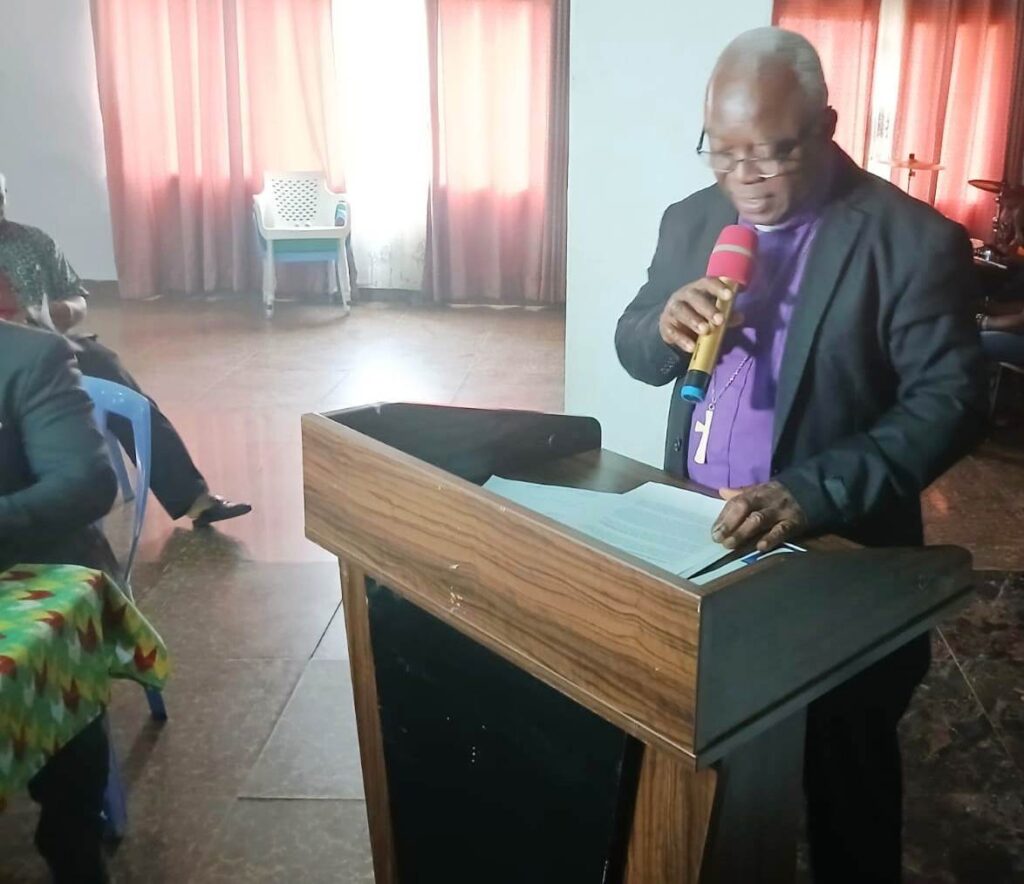
In mid-January 2026, the Lutheran Church in Liberia Trauma Healing and Reconciliation Program in Liberia (LCL-THRP) held a stakeholders’ engagement of the Bread for the World Standard Program being implemented by LCL-THRP in Liberia titled “Promoting Social Cohesion in Liberia through Psychosocial Rehabilitation and Conflict Resolution.” During the stakeholders’ engagement, LCL-THRP formally launched the project for 2025-2028 implementation. Rev. Dr. G. Victor Padmore, Bishop of the Lutheran Church in Liberia, launched the project.
What is the LCL-BftW Standard Project Promoting Social Cohesion in Liberia through Psychosocial Rehabilitation and Conflict Resolution? The project has been implemented for 13 years by the LCL-THRP with support from Bread for the World.
The programs also empower communities through education, skills training, and livelihood to strengthen social cohesion. The project, through its programs, also helps to foster resilience by equipping individuals with tools to navigate life after their trauma.
Key activities include empowering women and youth, community dialogue meetings and engagements, awareness-raising campaigns, strengthening existing community structures, and psychosocial assessments and evaluations.
What are the objectives of the LCL-THRP Social Cohesion through Psychosocial Rehabilitation?
The project has three objectives:
Community structures, including schools and peace clubs, in four administrative districts in Grand Bassa County are empowered.
Young men and women addicted to drugs and substance abuse are rehabilitated through vocational skills training programs to enhance their integration and participation in peace work.
In particular, young men and women, religious and traditional leaders, security and media personnel, government authorities, etc., in Grand Bassa County are empowered to advance peace and social cohesion.
With this program being implemented for several years now, this is phase five of the project. It targets 6,276 direct beneficiaries in Grand Bassa and Bong Counties and 235,014 indirect beneficiaries. It is expected that 40 local community structures, 100 persons with disabilities, 750 commercial motorcyclists, 750 students, 250 prison inmates, 20 media personnel, 60 healthcare workers, 450 women, local traditional leaders, security personnel, etc., in Bong and Grand Bassa Counties will benefit from the programs.
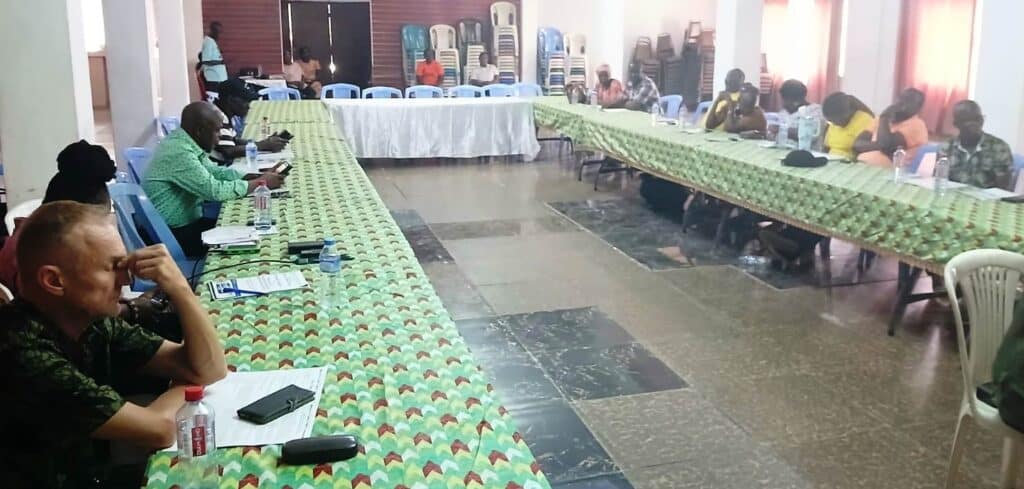
The project launch brought together representatives of the Lutheran Church in Liberia, the Liberia Peacebuilding Office, the Office of the Superintendent of Grand Bassa County, one of two locations where the project is being implemented, including the Civil Peace Service (CPS), the network organization of Bread for the World (BftW).
The program will run up to 2028. An assessment conducted for phase four of the project recommended that, given the gains the project made, especially toward promoting community peace and social cohesion through the women’s training and empowerment support, there was overwhelming cause for the programs to be extended to other counties, and the women’s empowerment program is replicated, as it effectively addresses sources of sexual and domestic violence from intimate partner relationships.
Expected Outcomes of the Project
- Stronger Community Structures
Schools, peace clubs, and other community groups in four districts of Grand Bassa County will be better organized, better trained, and more active in promoting peace. They will have the skills and confidence to prevent conflicts and support unity in their communities. - Rehabilitation and Reintegration of Young People
Young men and women who struggle with drug and substance abuse will receive vocational skills training. As a result, they will gain useful skills, find better opportunities for work, rebuild their lives, and actively participate in promoting peace in their communities. - Increased Capacity for Peacebuilding
Community members – especially young people, religious and traditional leaders, security officers, media professionals, government officials, and others – will gain knowledge and practical skills to promote peace, resolve conflicts, and strengthen social cohesion in Grand Bassa County. - Wide and Measurable Impact
Through Phase Five of the project, a total of 6,276 people in Grand Bassa and Bong Counties will directly benefit from the program, while 235,014 people will benefit indirectly.
Specifically:
- 40 community structures will be strengthened.
- 100 persons with disabilities will receive support and inclusion opportunities.
- 750 commercial motorcyclists will be trained and engaged in peace initiatives.
- 750 students will participate in peace education activities.
- 250 prison inmates will benefit from rehabilitation and reintegration programs.
- 20 media personnel will be trained to promote responsible and peace-centered reporting.
- 60 healthcare workers will receive support related to peace and psychosocial well-being.
- 450 women, along with traditional leaders, security personnel, and others, will actively engage in peacebuilding efforts.
Overall, the project will contribute to safer communities, reduced conflict, improved cooperation among citizens, and stronger social unity in Grand Bassa and Bong Counties.