CoP Liberia: Highlighting Training Approaches for Broader Application in Liberia
July 10, 2025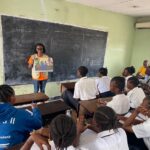
In Kinshasa, Peace Clubs Take Root: Results of YWCA-DRC’s strategic reinforcement
July 10, 2025Reportage: Open Space in Matadi
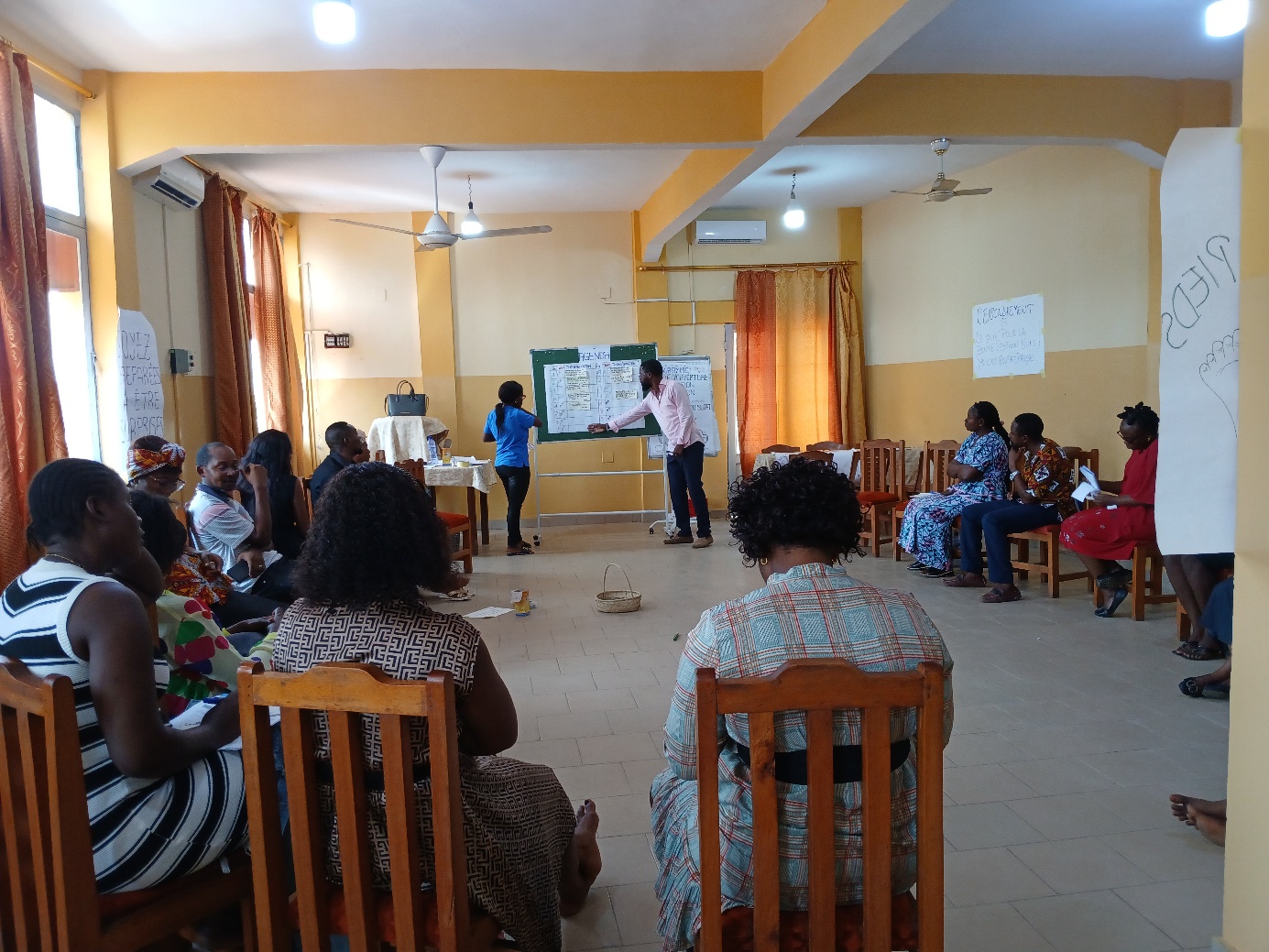
We are ine the west part of Congo.There was a special atmosphere in the meeting room of the Dynamique Femme et Familles (DFF-OPAS) in Matadi. Chairs were arranged in a circle, blank sheets of paper lay on the tables, and a quiet but palpable energy could be felt in the room.
This wasn’t a traditional training session. It was a collective exercise, a leap into the unknown for most participants: the discovery of the Open Space approach.
The principle is simple: pose an open question, bring the right people together, and give them the space and freedom to build answers collaboratively. No pre-fixed agenda, no rigid hierarchy, just ideas, voices, and exchanges.
Soon after a welcoming speech and an opening prayer, the 21 participants: DFF agents, peacemakers, trainers, and alumni of the Maman Marie Mattie center, were invited to write on a board the “small change” they would like to see happen tomorrow, like in the short term.
Words came fast: autonomy, post-training follow-up, financing, visibility. Within minutes, the board filled with concrete ideas, transformed into questions and challenges to explore. The agenda began to take shape. Everyone chose a group, a sub-topic, a time slot where they would contribute.
And then, the magic began.
For nearly two hours, groups formed and reformed. Some gathered under the sun, others stayed in the shade. Bursts of laughter, thoughtful silences, and animated discussions echoed through the space. It was the “law of two feet”: you move freely, join another group if you feel drawn elsewhere. Some were “bees,” buzzing between ideas. Others were “butterflies,” observing, reflecting.
At the end of each discussion, a team leader carefully recorded the group’s recommendations. These weren’t theoretical musings, they were concrete, experience-driven proposals from the field.
Among the key outcomes: Establishing a microcredit fund tailored to young graduates, creating mentorship pairs between craftspeople and trained youth, organizing quarterly exhibitions to showcase products from young entrepreneurs, providing six-month post-training follow-up for program graduates.
When it was time for the plenary presentations, there was a respectful silence in the room. One by one, each group presented its recommendations. These were no longer just ideas, but seeds of action that everyone hoped to see take root. And what was striking, beyond the content, was the attitude: faces were confident, voices assertive, the conversation was shared.
In the final evaluation, participants expressed a high level of satisfaction. Some said they rediscovered their colleagues in a new light. Others hoped to adapt the approach to their own work sessions.
Open Space, they said, makes it possible to listen differently, to think together, to dream bigger, all while staying grounded.