Près de 472 000 filles scolarisées au sein des Ecoles Protestantes du Sud-Kivu sont ambassadeurs des valeurs Clubs de paix.
August 7, 2026
Civil Society Organizations Unite to Strengthen Liberia’s Fight against Illicit Drugs
August 25, 2026LOIC Gender Girls Program: Helping Young Liberian Women Build New Futures
With skills training, childcare, gender awareness and job placement, the Liberia Opportunities Industrialization Centers is helping young mothers overcome barriers to education, employment and economic independence.
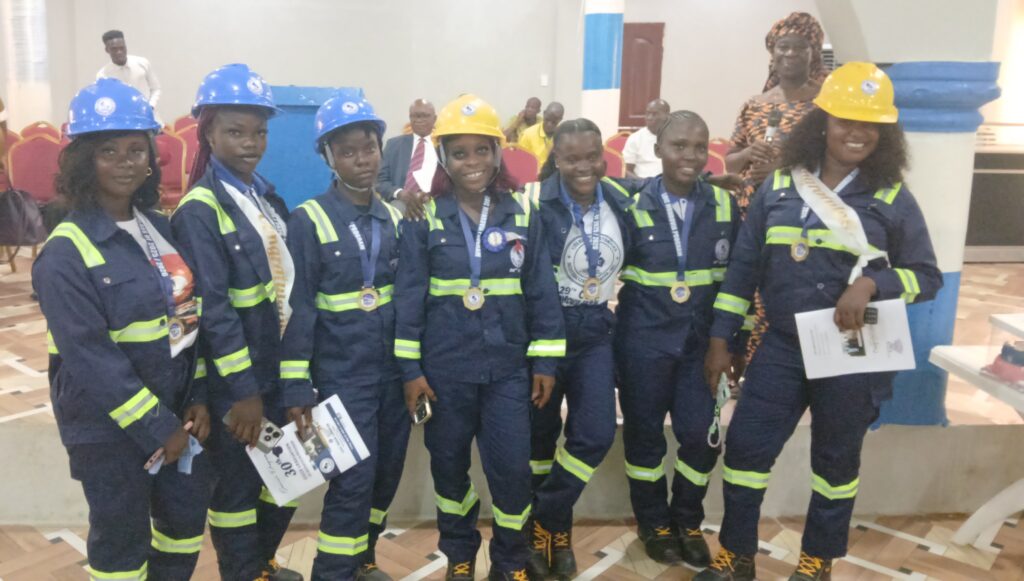
For many young women in Liberia, acquiring vocational skills can be an important first step toward economic independence. But for young mothers, completing a training program can present another challenge: Who will take care of their children while they are in class?
The Liberia Opportunities Industrialization Centers (LOIC) is addressing this and other barriers through its Gender Girls Program, an initiative that equips young women with practical skills while helping them overcome social and economic challenges that limit their opportunities.
The program, which began in 2022, provides vocational skills training to young women to help them become economically productive and contribute more effectively to their families and communities. However, LOIC’s approach goes beyond technical training. Participants also receive gender awareness and gender-based violence prevention education, helping them understand their rights, recognize abusive practices and challenge harmful attitudes toward women and girls.
Changing How Women See Themselves
At the heart of the Gender Girls Program is an effort to change how women view themselves and how society views their roles.
Participants are taught the value of women and encouraged to recognize their own worth. They are also encouraged to see themselves as partners in their marriages and families rather than subjects.
This message is particularly important in communities where traditional attitudes can discourage women from pursuing education, employment and careers in fields historically dominated by men.
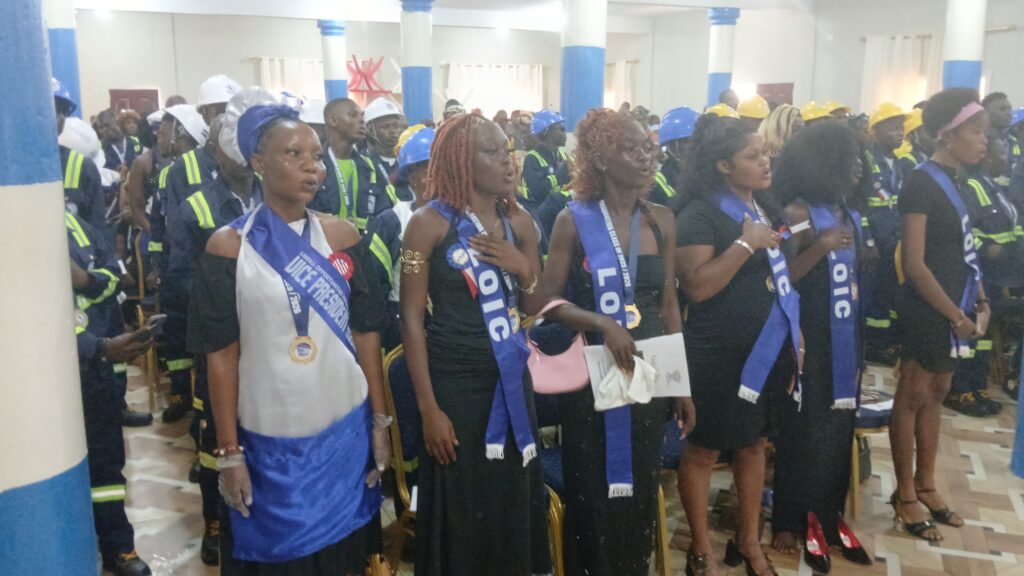
Rebecca Bertsche, a counselor at LOIC, recalls that some female trainees have faced ridicule when attempting to enter technical and vocational fields. Some were told they were “meant for the kitchen,” while others were discouraged from pursuing hard-skills occupations and directed toward traditionally female areas such as cooking or beauty care.
LOIC has responded by encouraging women to pursue hard skills and traditionally male-dominated occupations. Many female trainees have subsequently demonstrated that women can succeed in technical fields when given the opportunity, training and encouragement.
The approach reflects a broader principle of women’s economic empowerment: vocational training is not only about learning how to perform a job. It can also build confidence, challenge gender stereotypes and give women greater control over their economic futures.
Childcare: Removing a Major Barrier
For young mothers, however, even the strongest motivation to learn can be undermined by a lack of childcare.
LOIC recognized that many women with children who enrolled in training eventually dropped out because they had no one to care for their children while they attended classes. In response, the institution incorporated childcare support into the program.
The support includes feeding children, caring for them while their mothers attend classes, and providing preschool education.
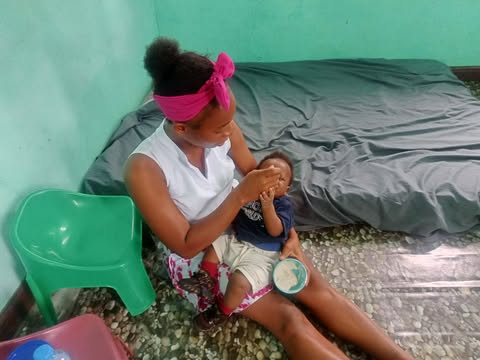
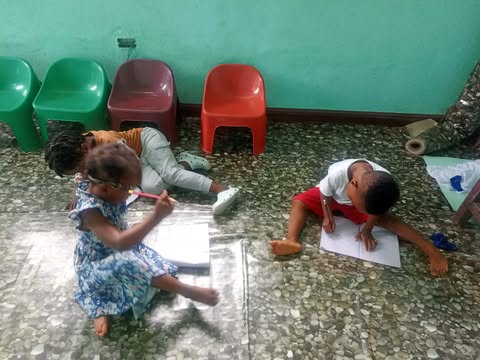
This practical intervention allows mothers to concentrate on acquiring vocational skills while knowing that their children are being cared for. It also recognizes that supporting a young mother means considering the wellbeing of her children, whose care and development are closely connected to their mother’s ability to participate successfully in education and employment.
For many young mothers, therefore, childcare can mean the difference between completing training and dropping out.
From Skills Training to Employment
Another important component of the Gender Girls Program is its emphasis on job placement.
LOIC does not simply train young women and leave them to search for employment on their own. The institution works to identify employment opportunities and recommends qualified graduates to organizations and concession companies.
Among employers that have recently recruited LOIC graduates are the General Services Agency (GSA), the Liberia Electricity Corporation (LEC) and ArcelorMittal, among others. Some women who began as trainees have gone on to become full-time employees.
This link between vocational skills training and job placement is critical. Completing training does not automatically guarantee employment, particularly for young women who may already face gender-based barriers in the labor market. Connecting graduates with employers helps turn newly acquired skills into income, greater economic independence and improved household wellbeing.
When Education Challenged a Marriage
One story recalled by Bertsche demonstrates the family and social barriers that some women must overcome before they can even complete their training.
She remembers a trainee whose husband initially refused to pay her tuition because he feared that an educated wife would become disrespectful toward him.
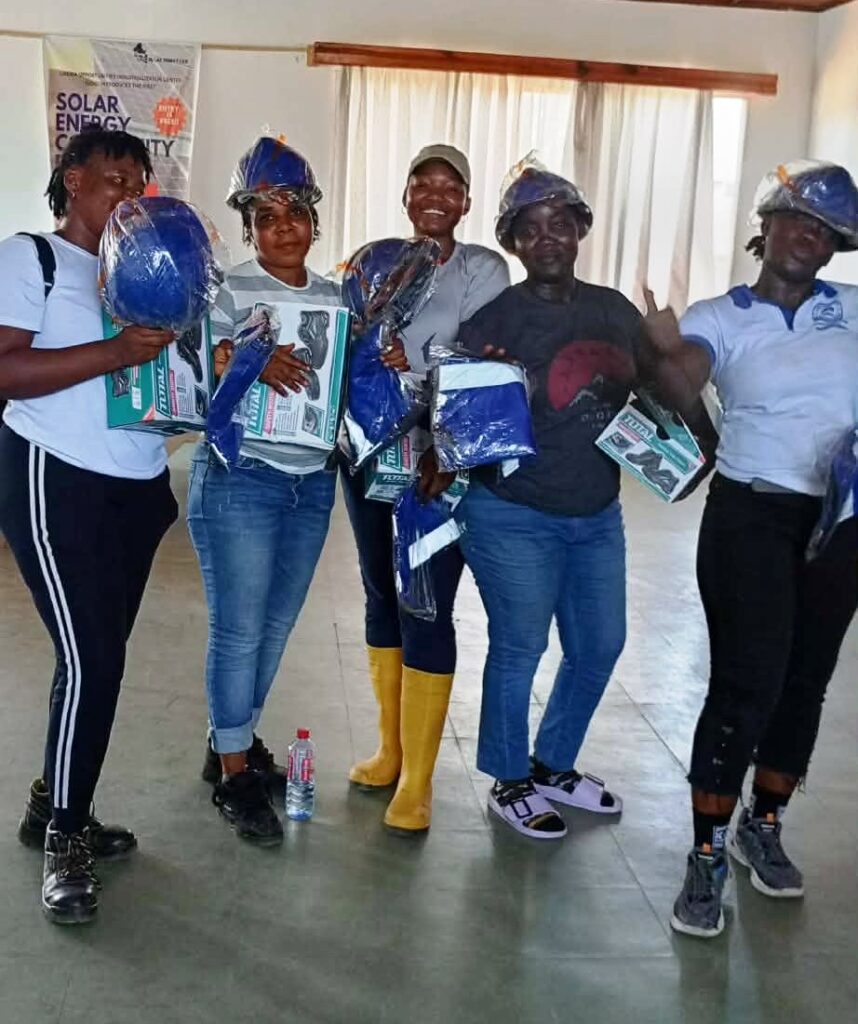
LOIC intervened through counseling and engagement with the family. According to Bertsche, the intervention helped change the husband’s attitude. He eventually began paying his wife’s fees and providing moral support for her training.
The woman’s success continued beyond graduation. She later secured employment with Firestone, one of Liberia’s major rubber-producing companies. Her daughter now attends the company’s school, while her husband has also benefited from contracts awarded by the same company.
Her experience illustrates how investing in one woman’s education can generate benefits far beyond the individual. Her employment has contributed to her child’s education, household income and economic opportunities for other members of her family.
Bread for the World’s Supporting Role
LOIC attributes part of the success of the Gender Girls Program to support from Bread for the World, whose assistance has helped young women, including mothers, access skills training and remain in the program despite challenges related to childcare and family responsibilities.
The partnership highlights the importance of investing in programs that combine girls’ education, vocational training, gender equality, childcare and women’s economic empowerment.
For young mothers, childcare can make the difference between dropping out and graduating. For women entering male-dominated trades, gender awareness and encouragement can help them challenge social stereotypes. And for graduates, connections to employers can help transform vocational training into sustainable employment.
Forty-Five Women Currently Enrolled
LOIC currently has 45 females, described by the program as Gender Girls, enrolled across its centers in Liberia.
The program’s most recent graduation cohort referenced in the interview had 35 female trainees. Of these, 28 graduated, while seven returned for additional skills brush-up training.
These figures demonstrate LOIC’s continued effort to expand opportunities for women while recognizing that successful participation requires more than classroom instruction. For young mothers in particular, skills development must be accompanied by practical support that enables them to remain in training and complete their programs.
Investing in Women, Investing in Families
The experience of the LOIC Gender Girls Program demonstrates that helping young women become economically productive requires addressing the realities that shape their daily lives.
A woman may want to learn a trade but have no one to care for her child. She may have the ability to succeed in a technical occupation but face pressure to remain in traditionally defined women’s roles. She may enroll in training but struggle to complete it because of financial or family opposition.
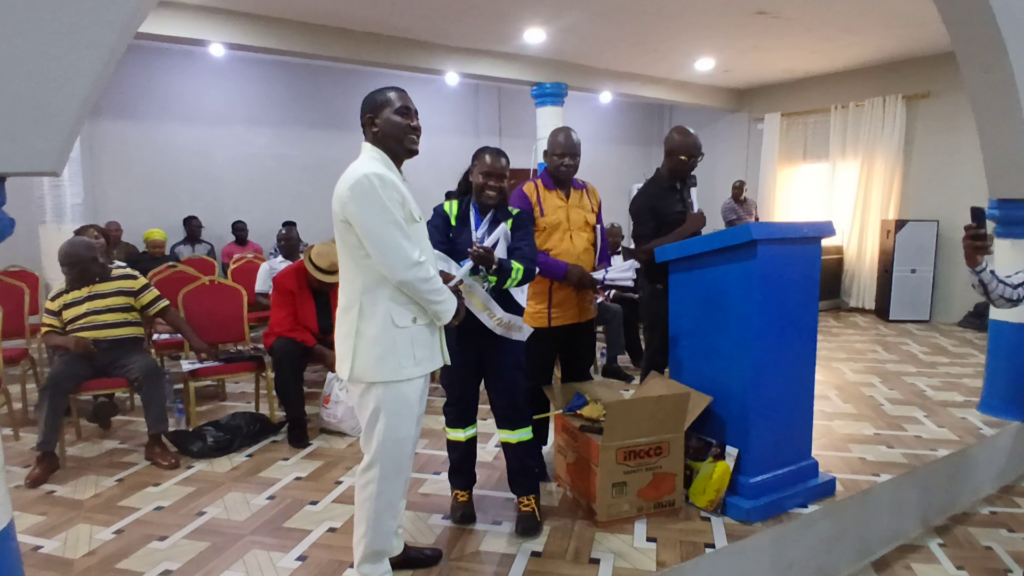
LOIC’s approach seeks to address these barriers together through vocational skills development, childcare, gender awareness, counseling, women’s empowerment and job placement.
For the young women enrolled in the program, the objective is not simply to earn a certificate. It is to gain the skills, confidence and opportunity to participate more fully in Liberia’s workforce and economy.
For mothers, that opportunity extends beyond themselves—to children who can receive better care and education, families that can benefit from additional income, and communities that benefit when women become skilled, employed and economically independent.
As Liberia continues to confront challenges related to youth employment, gender inequality and economic opportunity, programs that connect skills training, childcare, gender awareness and employment can provide an important pathway toward greater inclusion of women in the country’s workforce and a stronger economic future for families and communities.