Strengthening Communities Through Dialogue, Leadership, and Action
May 20, 2026
CJPS-LDEA Initiative Strengthens Women’s Role in Combating Drug Proliferation
June 9, 2026CJPS Graduates 184 Mentees, Fathers, and Young Women Under Girls’ Empowerment Initiative
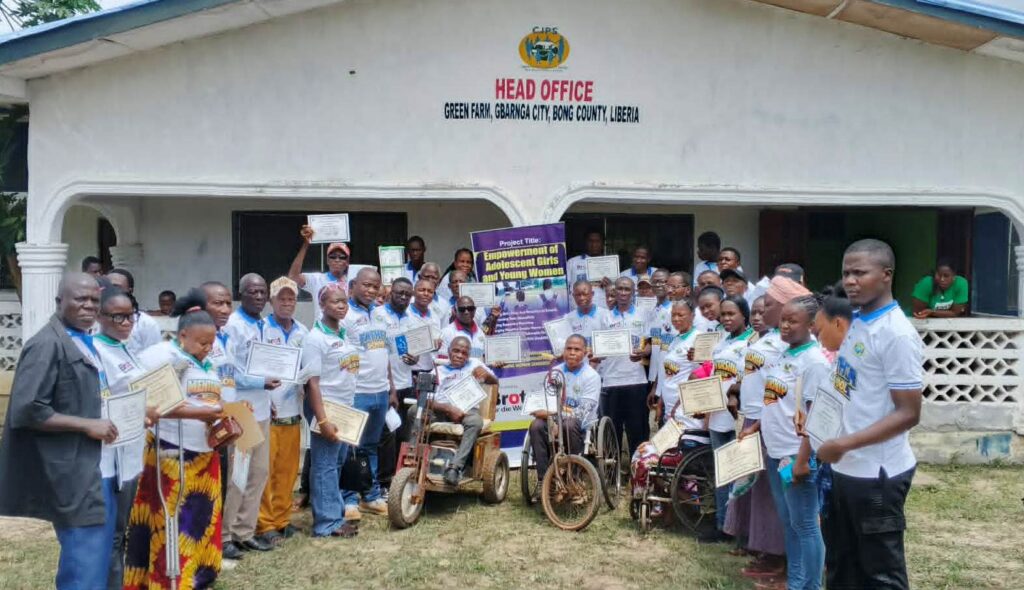
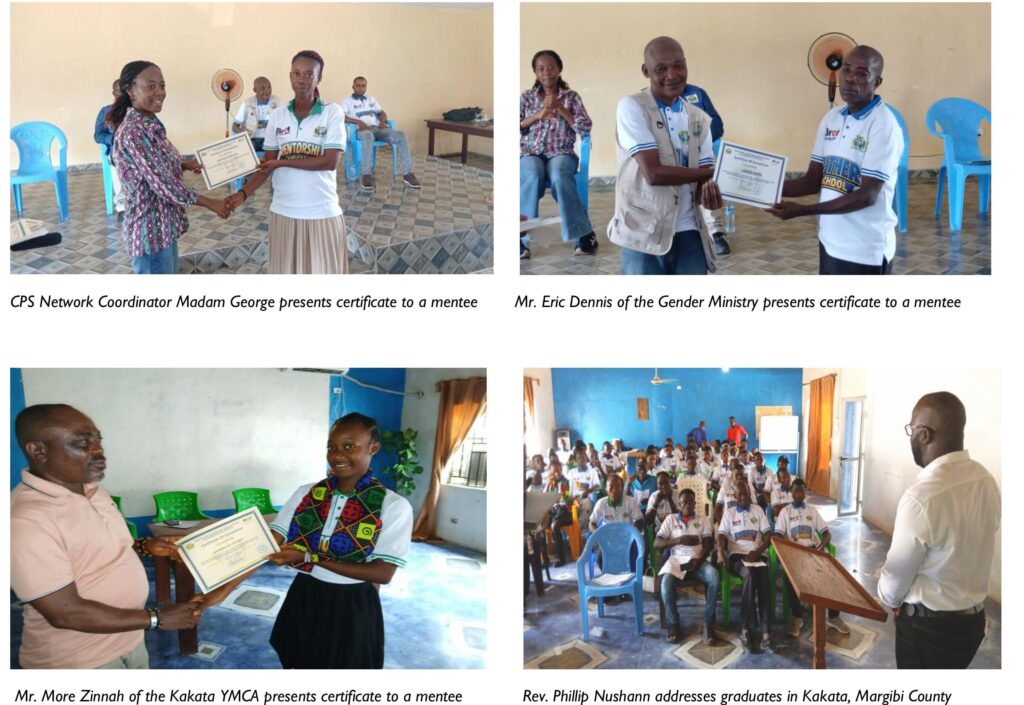
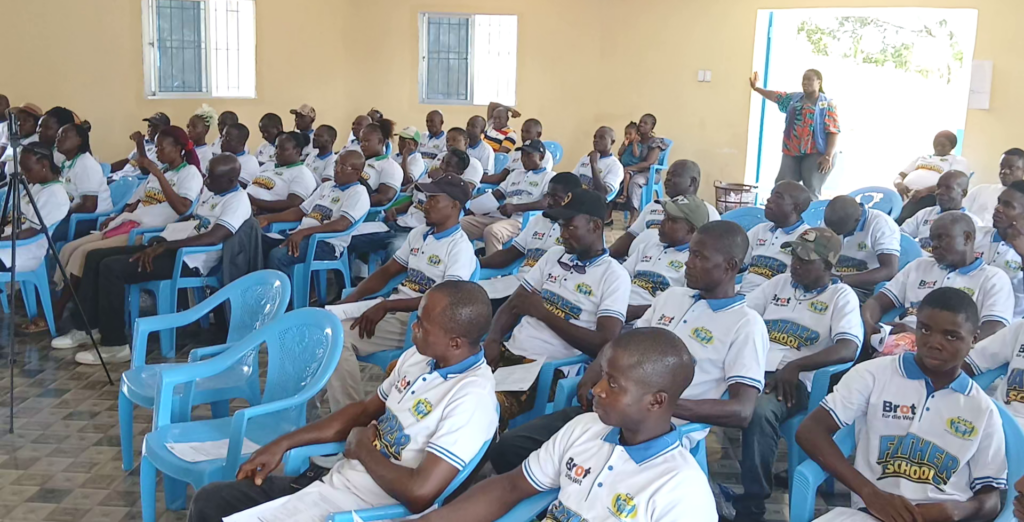
The Center for Justice and Peace Studies (CJPS) has graduated 184 men, women, and girls (140 males and 44 females) under the project “Empowerment of Adolescent Girls and Young Women.” The graduations were held in Yehn, Rural Montserrado, Kakata, Margibi County, and Bong County. Held on May 13, 14 and 16 respectively, the program caters to the empowerment of adolescent girls and young women, supporting girls’ entry and retention in school, deconstructing toxic masculinity, challenging negative norms and stereotypes, promoting supportive parenting, and amplifying the voice of vulnerable groups, especially women, children, persons with disabilities, and the elderly under the theme “Building Resilient Communities through Responsible Fatherhood and Girls’/Young Women’s Leadership.”
Mr. Francis S. Konyon, Acting Executive Director of the Center for Justice and Peace Studies (CJPS) the institution implementing the program with support from Bread for the World, said the project is being implemented in 21 schools across the three counties, and focuses on supporting girls entry and retention in schools, working with girls advocacy clubs in school, providing training in advocacy, leadership and sexual reproductive health.
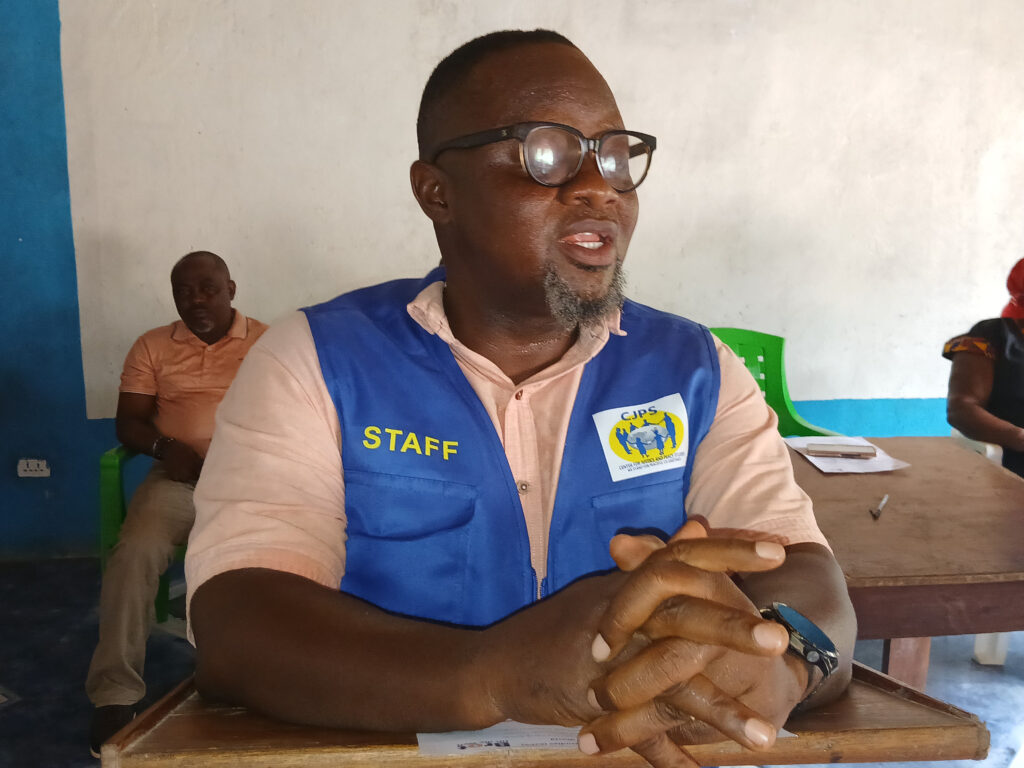
The program also provides support for girls’ education materials on an as-needed basis to encourage them to enter and remain in school, while also working with them to build awareness of their school handbooks, enabling them to help their peers adhere to school-level policies and to advocate on their own terms.
Commenting on the Father to School program, the Center for Justice and Peace Studies Acting Executive Director says the institution works with fathers across 3 communities, 60 per county, teaching them through a module to discuss Sexual and Gender Based Violence, and the strangulation of the girl child when it comes to education.
“Our intention is for the graduates to work with their communities, and stand up against Sexual and Gender Based Violence, and all other vices that create violence and prevent girls from attending school.
In Todee, Montserrado County, the Civil Peace Service Coordinator, who motivated the graduates, noted that there are values in females that must be cultivated. She thanked the Center for Justice and Peace Studies and the Bread for the World for such a wonderful program.
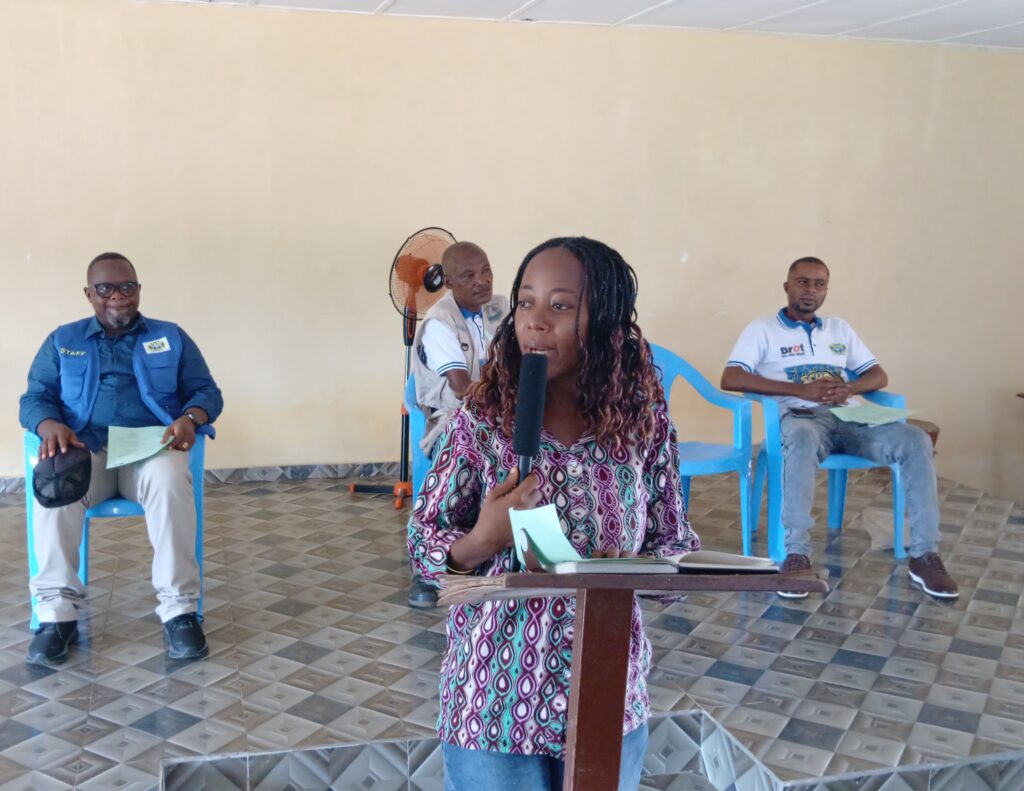
She noted that there are cases of sexual and gender-based violence in the form of rape and persistent non-support of children. She called upon the authority in the district of Todee to work alongside the mentees when they face gender-related challenges.
“Rape has become a serious case here in Liberia; thus, this program has brought values to the men, and they should call for an end to rape and other abuses in their communities.
Delivering the motivational message in Kakata, Margibi County, Rev. Phillip Nushann, Director of the Trauma Healing and Reconciliation Program of the Lutheran Church, said: “Many women continue to experience different types of violence committed by men, fueled by damaging traditional practices and toxic masculinity,” Reverend Phillip Nushann said.
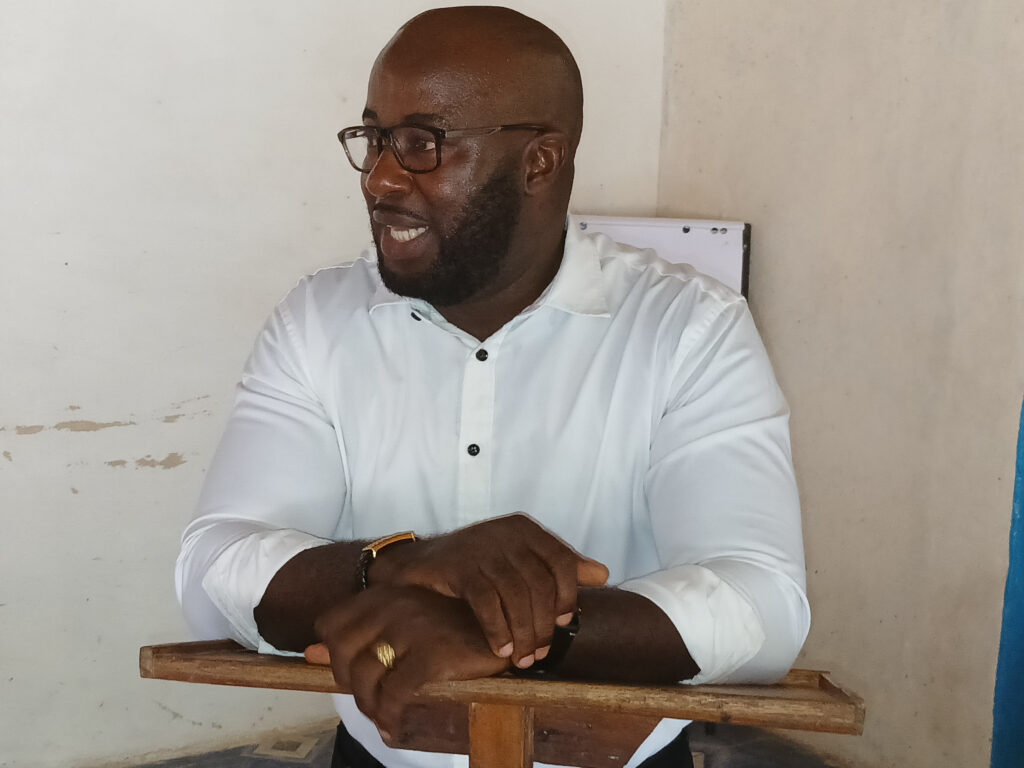
He said the training has given both mentees and fathers the knowledge, values, and responsibility needed to challenge these behaviors and promote respect and equality. “Let’s replicate this program all over Liberia,” Reverend Nushann pleaded, emphasizing the need to create a new generation of youth who will be able to effect positive change and to help build a healthier and more peaceful society.
The trainees provided testimonials on the impact of the training. In Todee, Montserrado County, Stephen Veselee, a mentor, said the training has strengthened participants’ understanding of gender-based violence and the importance of girls’ education, helping them recognize these issues as critical to many homes and communities. He noted that the men are now committed to supporting positive change by discouraging their peers from engaging in harmful practices and promoting respect, protection, and equal educational opportunities for girls.
In Kakata, Margibi County, mentee Love A. Lamin said the mentorship program has significantly changed her life by helping her overcome introversion and build confidence in herself. She explained that before joining the program, she lacked knowledge of personal financial management, but through the training and guidance she received, she has developed the skills and discipline to manage her finances responsibly and make better personal decisions.
In Todee, rural Montserrado County, Jumah Momo, a mentee speaking on behalf of her colleagues, noted: “This mentorship program has better positioned us and adequately prepared us for leadership roles.” She encouraged the mentees to actively pursue leadership opportunities and to willingly accept responsibilities within their communities and workplaces whenever called upon to serve.
The implementation of the project across 21 schools in three counties has contributed to increased awareness and support for girls’ education, resulting in improved school entry, retention, and participation among girls. Through the girls’ advocacy clubs, participants have strengthened their leadership, advocacy, and sexual and reproductive health knowledge, enabling them to speak confidently on issues affecting their education and well-being. The provision of educational materials has helped reduce barriers preventing vulnerable girls from remaining in school. In contrast, awareness sessions on school handbooks and policies have empowered girls to promote discipline, peer accountability, and adherence to school regulations.
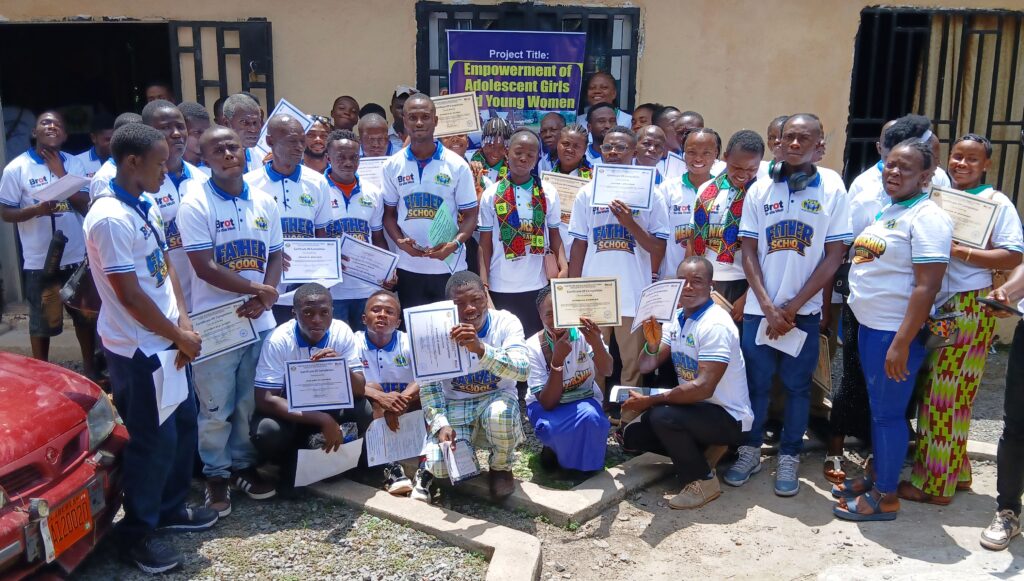
The Father-to-School program has also created community engagements in tackling challenges facing girls’ education. The initiative has also enhanced male participation in promoting safer and supportive environments for girls through training fathers in the three counties on Sexual and Gender Based Violence (SGBV), harmful social practices, and protection of the girl child. Now, program graduates are better equipped to advocate in their communities against rape, abuse, violence, and other harmful practices that prevent girls from attending and completing school, and urge families and community members to support girls’ education and protection.