Dealing with the Burden of the Past: Exploring Deeper Cross-Border Peacebuilding Collaboration
November 20, 2026Dealing with the Burden of the Past: Strengthening Cross-Border Collaboration for Peacebuilding in Sierra Leone and Liberia
“For me, the burden of the past is not just the wars that we have been through, the Ebola or covid19 that we fought together. It could be the fight against gender-based violence, FGM, or domestic violence. It is a deeper means of doing a thorough analysis of the situation in both countries”, Ms. Adenike Antonia Cole, BftW CPS National Coordinator, Sierra Leone.
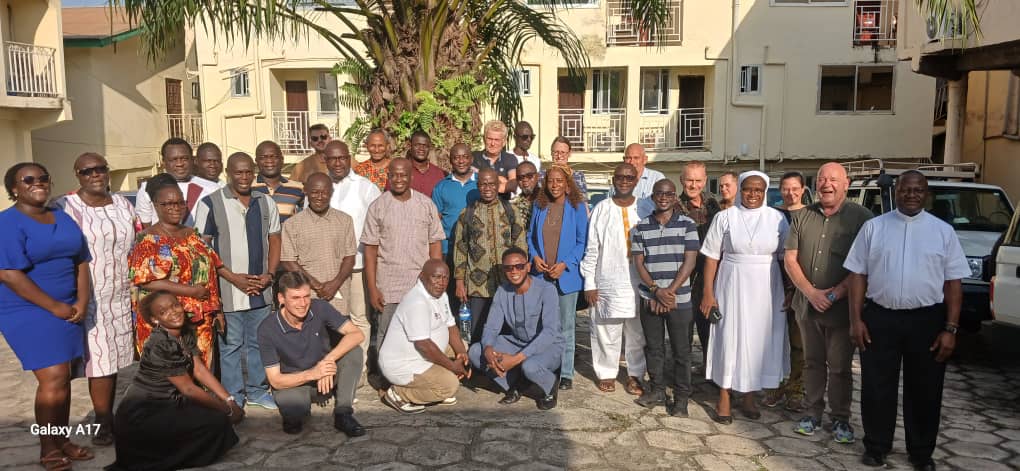
The past may be gone, but its effects continue to shape the present and influence the future of communities, institutions and societies. For countries such as Sierra Leone and Liberia, which have experienced devastating civil conflicts, dealing with the burden of the past remains an important part of building sustainable peace, strengthening social cohesion and preventing the recurrence of violence.Recognising the importance of addressing these shared historical experiences, the Civil Peace Service (CPS) Programmes of Agiamondo and Bread for the World, working with their partner organisations in Sierra Leone and Liberia, jointly convened a two-day cross-border workshop in Bo City, Sierra Leone, under the theme “Dealing with the Past.”
The workshop brought together representatives of partner organisations from both countries to reflect on the enduring effects of historical conflicts, identify emerging peacebuilding challenges, explore existing capacities and strengthen cooperation in addressing issues that transcend national boundaries.
The discussions highlighted that dealing with the past goes beyond remembering historical events or acknowledging previous conflicts. It involves confronting difficult experiences, recognising the consequences of violence, promoting accountability, rebuilding trust and creating opportunities for healing, reconciliation and peaceful coexistence.
Participants reflected on how unresolved grievances, historical injustices, intergenerational trauma, social divisions and declining trust in institutions can continue to undermine peace and development long after conflicts have formally ended.
They also recognised that communities affected by conflict often face interconnected challenges, including youth marginalisation, social exclusion, political polarisation, gender-based violence, misinformation and competition over natural and economic resources.
The workshop therefore provided an opportunity to examine how peacebuilding organisations can respond more effectively to these challenges while supporting communities to transform painful experiences into opportunities for dialogue, learning and collective action.
A key component of the workshop was the participatory mapping of common challenges and capacities among partner organisations in Sierra Leone and Liberia.
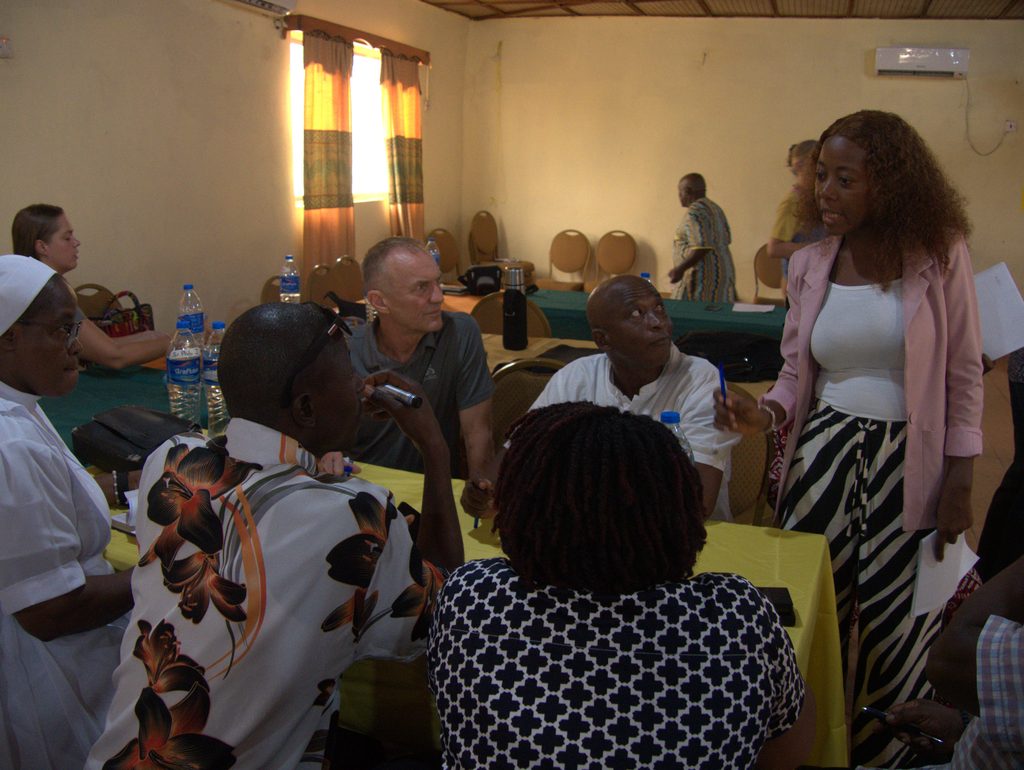
Through group discussions and experience-sharing sessions, participants identified emerging issues affecting peacebuilding efforts in their respective countries. They examined the nature of these challenges, their underlying causes, their implications for community relations and the capacities available within their organisations and communities to address them.
The exercise provided an opportunity for participants to recognise both the similarities and differences in their national contexts. It also highlighted the importance of building on existing community structures, local knowledge, institutional experience and networks to address complex peacebuilding concerns. Rather than viewing challenges as isolated national problems, participants explored how shared experiences could inform collective responses and strengthen the effectiveness of peacebuilding interventions.
An important lesson emerging from the discussions was that sustainable peace cannot be achieved through isolated interventions. It requires coordinated efforts, inclusive participation, mutual learning and the active involvement of communities, particularly women, young people and other groups whose voices are often underrepresented in peacebuilding processes.
Strengthening cross-border collaboration
Considering the historical, geographical and social connections between Sierra Leone and Liberia, cross-border collaboration emerged as one of the central themes of the workshop.
Participants acknowledged that many peacebuilding challenges do not stop at national borders. Issues such as migration, border-community tensions, youth vulnerability, misinformation, organised crime and competition over shared resources can have implications for both countries.
Consequently, strengthening collaboration between peacebuilding organisations in Sierra Leone and Liberia was recognised as an important strategy for promoting regional stability and preventing emerging tensions from escalating into conflict. “This engagement is very important because this gives us the opportunity to learn from other partners. There are a lot of similarities in operations especially relating to our approaches in dealing with the past. I envisage that this engagement will lead to joint future collaborative projects to support our communities”, Gerald Alex Sesay, University of Makeni.
The workshop encouraged participants to explore practical approaches to cross-border engagement, including regular information-sharing, joint community dialogues, peer learning, exchange visits, coordinated advocacy and collaborative peacebuilding initiatives.
Participants further emphasised the importance of strengthening relationships among civil society organisations and other relevant stakeholders to ensure that emerging issues are identified early and addressed through constructive engagement.
The discussions reinforced the understanding that peacebuilding is a shared responsibility and that experiences, knowledge and capacities across the two countries can complement one another in addressing common challenges.
From dialogue to collective action
Beyond reflections and experience-sharing, the workshop placed considerable emphasis on translating discussions into practical actions.
Participants worked collectively towards developing an action plan that identifies priority areas for collaboration, possible interventions and approaches for strengthening the capacity of partner organisations to address emerging peacebuilding issues.
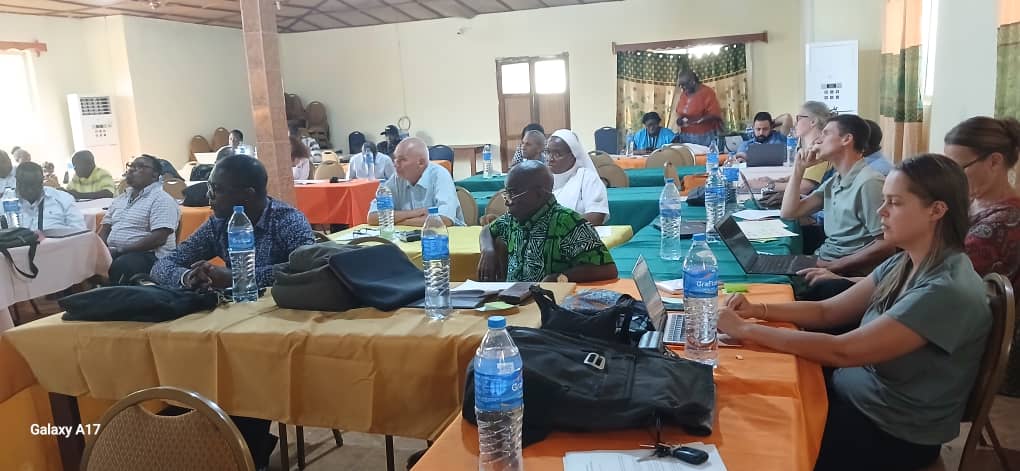
The action-planning process provided an opportunity to move beyond identifying challenges towards defining practical steps that organisations can undertake individually and collectively. Among the important areas highlighted for continued engagement were:
– Strengthening cross-border networking and collaboration among partner organisations in Sierra Leone and Liberia.
– Promoting inclusive community dialogue, reconciliation and social cohesion.
– Supporting initiatives that address historical grievances and the intergenerational effects of conflict.
– Enhancing the participation and leadership of women and young people in peacebuilding processes.
– Strengthening organisational capacities for conflict analysis, early identification of emerging tensions and conflict-sensitive programming.
– Facilitating experience-sharing, peer learning and joint advocacy on peacebuilding priorities.
– Establishing mechanisms for monitoring progress and following up on agreed collaborative actions.
The action plan is expected to provide a basis for continued engagement among participating organisations and support the translation of workshop outcomes into meaningful community-level interventions.
Recognising the role of civil society in sustaining peace
An important message emerging from the workshop was the critical role of civil society organisations in addressing the legacy of conflict and strengthening democratic and peaceful societies.
“What I realize is that, most often we focus on developmental results, which is the physical wellbeing of community people rather than the mental or psychological. If the mental wellbeing of people is not dealt with, it is difficult to achieve physical development. That is why this gathering is really very important for us as development workers”, Samuel Darpolar, Head of BftW supported CoP in Liberia.
Through community engagement, dialogue facilitation, advocacy, capacity development and peace education, civil society organisations can help create safe spaces for communities to discuss difficult issues, rebuild relationships and identify locally appropriate solutions.
However, participants also recognised that organisations must continuously strengthen their own capacities, partnerships and approaches to remain responsive to changing conflict dynamics and emerging social challenges.
The workshop therefore provided an important platform for mutual learning and reflection on how partner organisations can build on their experiences while developing more coordinated and sustainable approaches to peacebuilding.
Looking ahead: Building a shared future
The two-day engagement in Bo City reaffirmed the importance of confronting the past as a foundation for building a more peaceful and inclusive future.
For Sierra Leone and Liberia, the experiences of previous conflicts offer important lessons about the consequences of unresolved grievances, social divisions and weak mechanisms for addressing disputes. They also demonstrate the resilience of communities and the possibilities that emerge when people commit to dialogue, reconciliation and collective responsibility.
Ultimately, dealing with the burden of the past is not about remaining trapped in painful histories. It is about acknowledging those experiences, learning from them and taking deliberate steps to ensure that future generations inherit societies characterised by justice, mutual respect, tolerance and peaceful coexistence.
Through the continued commitment of Agiamondo, Bread for the World and their Civil Peace Service partner organisations in Sierra Leone and Liberia, the workshop represents an important opportunity to strengthen cross-border partnerships and advance collective efforts towards sustainable peace.
The message is clear: the past should inform the future, not determine it. Building lasting peace requires the courage to confront difficult histories, the willingness to work across boundaries and the commitment to turn shared lessons into collective action.